 EN
EN

Electrostatic capacitive switches are transforming industrial control by enabling touch or proximity detection without physical movement, delivering unparalleled sealed durability and hygienic surfaces. In this definitive guide from Langir, you’ll gain a deep understanding of how these advanced switches operate, the fundamental physics of capacitance, their essential components, and the critical distinctions between surface and projected technologies. We’ll explore their significant advantages—including extended longevity, versatile design options, and superior sensitivity—before providing a clear comparison with traditional mechanical methods. Discover real-world industrial applications in HMIs, control panels, medical and automotive devices, and the most demanding environments. Finally, learn how to secure bulk, custom solutions and connect with us for a precise quote. Let’s delve into the complete landscape of electrostatic capacitive switch technology.
What is an Electrostatic Capacitive Switch and How Does It Function?
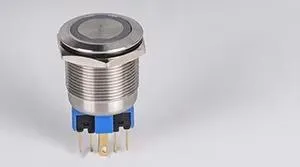
An electrostatic capacitive switch precisely detects a change in capacitance when a conductive object, such as a human finger, alters its electric field, triggering an electronic signal without any mechanical motion. This contactless operation ensures silent actuation and minimal wear, guaranteeing reliable, long-term performance in sealed industrial environments. By accurately measuring minute variations in stored electrical charge, these switches seamlessly translate touch into precise on-off commands for critical industrial systems.
Get a quote for custom capacitive switches from Langir
Understanding Capacitance: Its Importance for Capacitive Switches
Capacitance, defined as a system’s capacity to store an electric charge between two conductive surfaces separated by an insulator, forms the fundamental principle behind capacitive switch operation. When a finger approaches the sensor electrode, it increases the local capacitance; the integrated control circuit then accurately measures this change and generates an activation signal. A thorough understanding of capacitance is crucial for selecting switches with optimal sensitivity, appropriate overlay materials, and the correct operating ranges to ensure industrial reliability.
Serway, R. A., & Jewett, J. W. Physics for Scientists and Engineers(9th ed.). (2013)
This foundational reference provides the essential physics of capacitance, directly underpinning the operational principles of capacitive switches.
How Electrostatic Capacitive Switches Detect Touch and Proximity
Electrostatic capacitive switches employ two primary sensing methodologies—self-capacitance and mutual capacitance—to accurately register both touch and proximity inputs.
- Self-capacitance sensing measures the charge between a single electrode and ground, making it ideal for straightforward on/off applications.
- Mutual capacitance sensing meticulously monitors charge transfer between intersecting electrodes within a grid, enabling advanced multi-touch or gesture recognition capabilities.
These sophisticated techniques allow switches to respond to light touches or close-range proximity, effectively adapting to gloved operation, water presence, and environmental electrical noise without generating false triggers.
Morita, T., et al.“Touch Panel Technology.” (2018)
This research provides detailed insights into the sensing methods utilized in capacitive touch systems, directly explaining how these switches detect both touch and proximity.
Essential Components of a Capacitive Switch
A high-performance capacitive switch is comprised of three critical core components:
- Sensor Electrode – A precisely engineered conductive layer (such as ITO, PEDOT, or various metals) that functions as one plate of the capacitor.
- Insulating Overlay – A robust protective layer (typically glass, acrylic, PET, or polycarbonate) that shields the electrode while providing a durable, user-friendly surface.
- Control Module – Advanced electronic circuitry responsible for accurately tracking capacitance changes, applying necessary filtering, and outputting a reliable switch signal.
These meticulously integrated layers form a fully sealed module, offering superior resistance to dust, water, and impact, all while maintaining exceptional sensitivity and ensuring an extended operational lifespan.
Exploring the Diverse Types of Electrostatic Capacitive Switches
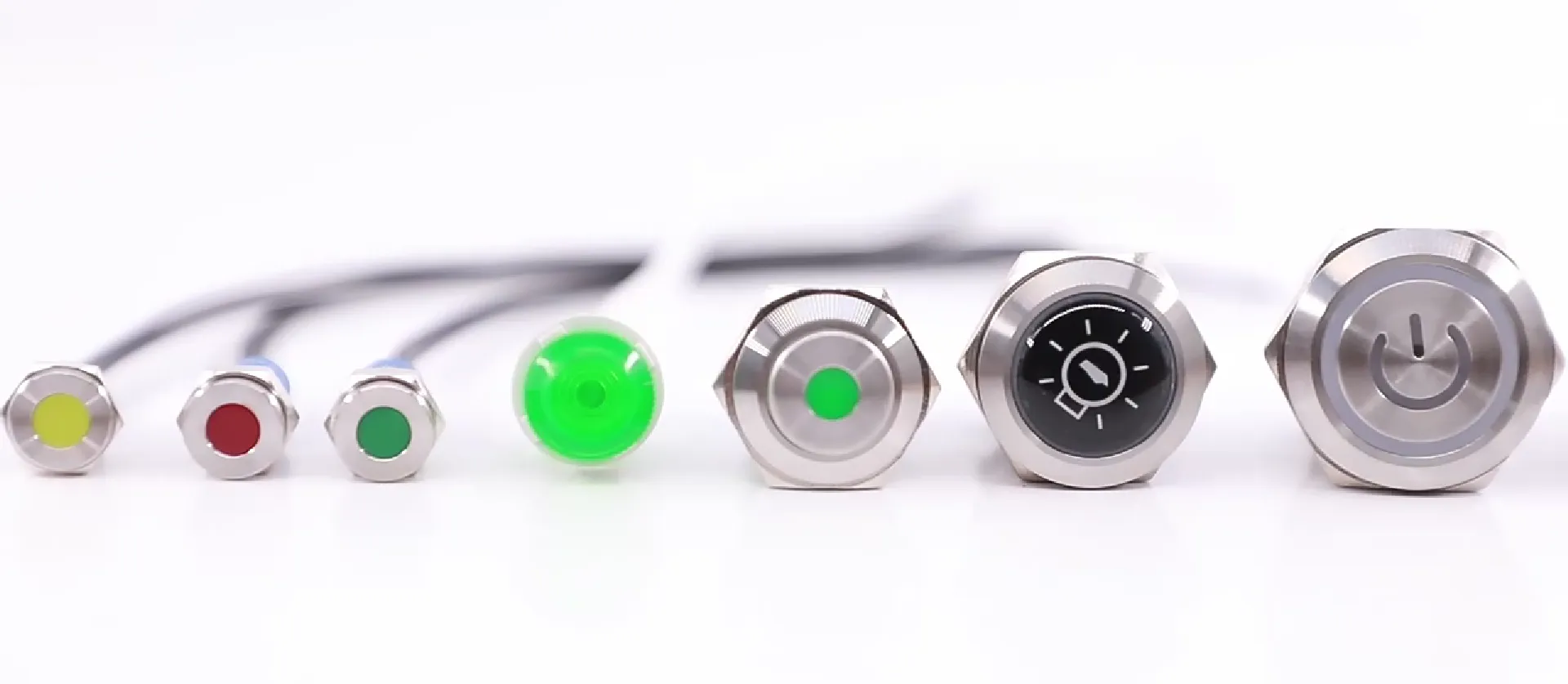
Electrostatic capacitive switches are available in various configurations, each precisely engineered for specific applications, ranging from fundamental panel controls to sophisticated multi-touch interfaces. Understanding the distinct characteristics of each type is essential for selecting the optimal solution for your unique industrial requirements.
Get a quote for custom capacitive switches from Langir
Surface Capacitive Switches: Key Features and Applications
Surface capacitive switches incorporate a single transparent electrode positioned behind an overlay, with a conductive ground plane on the opposite side. They are characterized by:
- Simplified Construction – Featuring a single sensing layer and a ground reference for straightforward integration.
- Cost-Effective Design – Utilizing minimal components, making them ideal for basic on/off control applications.
- Consistent Sensitivity – Providing reliable operation for both gloved and bare-hand interactions.
Surface capacitive types excel in applications such as industrial signage or large-button control panels where single-touch activation is the primary requirement.
Projected Capacitive Switches: A Comparison with Surface Types
Projected capacitive switches distinguish themselves by embedding a precise matrix of intersecting electrodes beneath the overlay, which enables:
- Advanced Multi-Touch Recognition – Full support for complex gestures and simultaneous touch inputs.
- Exceptional Precision – Delivering fine position sensing with sub-millimeter accuracy for critical applications.
- Superior Durability – A robust grid design specifically engineered for resilience in harsh industrial environments.
Projected capacitive technology is the preferred choice for advanced Human-Machine Interfaces (HMIs) and sophisticated control displays demanding exact positional feedback and multi-touch capabilities.
Touch-Sensitive vs. Proximity Capacitive Switches: Understanding the Distinction
Touch-sensitive switches necessitate direct physical contact for activation, whereas proximity capacitive switches trigger when a conductive object enters a predefined sensing range. Proximity types offer distinct advantages:
- Contactless Operation – An ideal solution for hygiene-critical environments or scenarios requiring glove use.
- Adjustable Sensing Distance – Configurable trigger thresholds, allowing detection up to several centimeters away.
The choice between these two types depends on whether your application prioritizes tactile confirmation or demands hands-free control for enhanced operational efficiency.
Common Materials Utilized in Capacitive Switch Construction
Industrial capacitive switch overlays and electrodes are meticulously crafted from materials chosen for their superior durability and performance characteristics:
Unlocking the Advantages of Electrostatic Capacitive Switches for Industrial Use
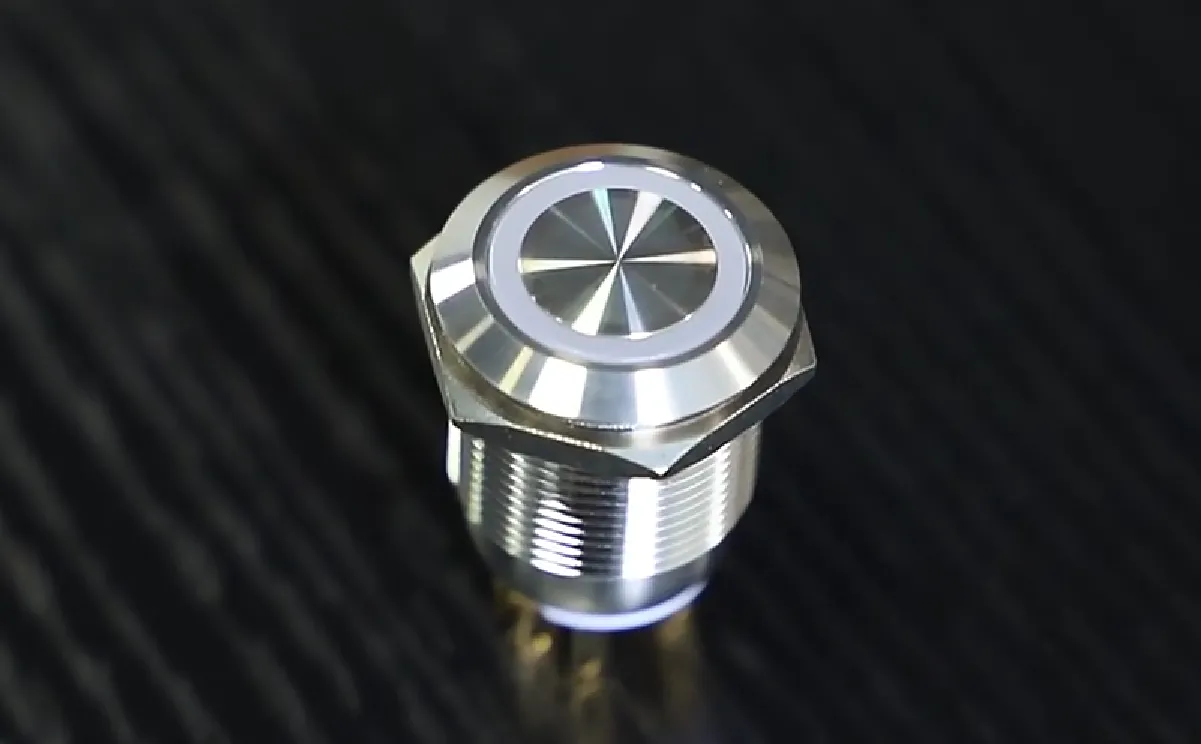
Capacitive switches provide an unmatched combination of reliability, hygiene, and design freedom that mechanical alternatives simply cannot deliver, driving their widespread adoption in modern manufacturing and automation sectors.
Get a quote for custom capacitive switches from Langir
Enhanced Durability and Longevity: The Capacitive Switch Advantage
Because electrostatic capacitive switches operate without any moving parts, they inherently resist abrasion, fatigue, and impact. Their fully sealed construction effectively prevents dust and moisture ingress (achieving up to IP67 ratings), significantly extending service intervals and substantially lowering maintenance costs in the most demanding industrial settings.
Superior Hygiene and Effortless Cleaning with Capacitive Switches
Featuring flat, non-porous surfaces and an absence of crevices, capacitive switch panels can be quickly and thoroughly wiped down with disinfectants, effortlessly meeting stringent cleanroom and food-processing standards. This streamlined design minimizes bacterial harborage and greatly simplifies critical sanitation protocols.
Design Flexibility: Revolutionizing Industrial Applications
With their minimal depth profile and support for custom backlighting, capacitive overlays can seamlessly display intricate icons, legends, or illuminated guides without requiring bulky housings. This sleek, integrated form factor allows for seamless integration into sophisticated control consoles, advanced machinery panels, or precision medical instruments.
High Sensitivity and Responsiveness: The Hallmark of Capacitive Switches
Light-touch activation through thin overlays provides immediate and precise feedback, even when operators are wearing gloves or protective coatings. Tunable sensitivity and advanced debounce settings within the control module effectively eliminate false triggers while ensuring rapid and accurate command execution.
Electrostatic Capacitive Switches vs. Mechanical and Other Switch Types: A Comprehensive Comparison
When selecting the ideal switch for critical industrial controls, a thorough comparison of actuation methods, lifespan, feedback mechanisms, and cost implications clearly demonstrates why capacitive solutions frequently lead the field.
By replacing mechanical travel with advanced field-based actuation, capacitive switches significantly reduce wear and maintenance requirements while providing robust performance in the most demanding industrial environments.
Key Industrial Applications of Electrostatic Capacitive Switches
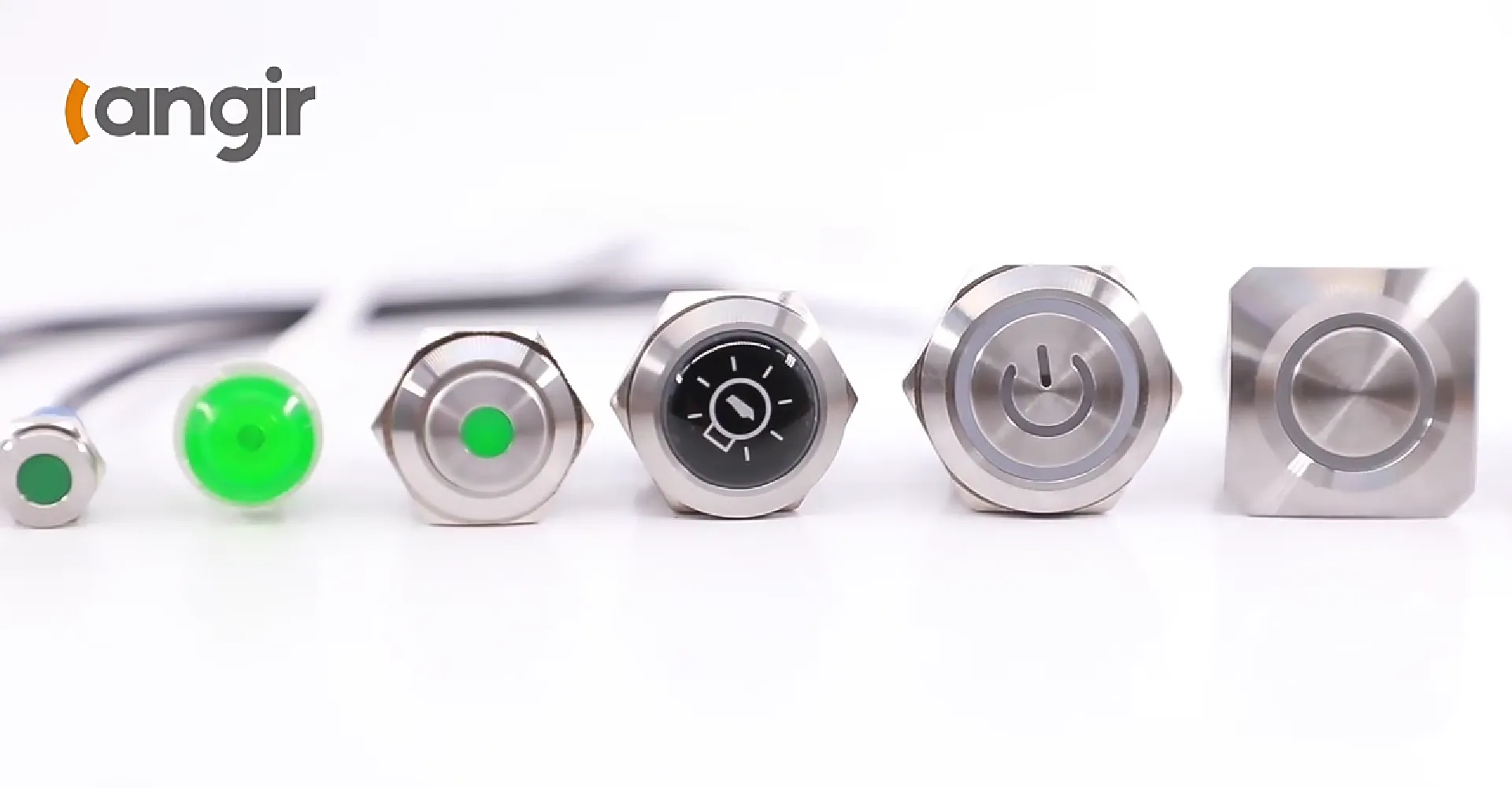
Capacitive switch technology is a driving force behind innovation across a broad spectrum of industrial interfaces, from advanced human-machine interface panels to highly specialized medical devices.
Get a quote for custom capacitive switches from Langir
Capacitive Switches in Human-Machine Interfaces (HMIs)
Capacitive touch panels form the core of modern HMIs, empowering operators to effortlessly navigate menus, precisely adjust parameters, and initiate complex sequences with minimal physical force. Custom iconography and integrated backlighting further enhance clarity and usability, even under challenging factory lighting conditions.
Their Role in Industrial Control Panels and Machinery
On high-speed assembly lines and precision CNC equipment, capacitive switches deliver reliable start/stop commands, critical emergency overrides, and precise mode selections. Their fully sealed design ensures unwavering performance, even when exposed to coolant sprays, oil mist, and heavy particulate contamination.
Integration of Capacitive Switches in Medical and Automotive Devices
Medical infusion pumps and patient monitors extensively utilize sealed, easily disinfectable capacitive switches to rigorously meet stringent hygiene standards. In the automotive sector, capacitive modules seamlessly manage infotainment controls and climate adjustments, all while effectively resisting dust and moisture ingress.
Benefits of Capacitive Switches in Harsh Industrial Environments
In environments characterized by extreme temperatures, intense vibrations, or corrosive chemicals, capacitive modules consistently maintain full functionality where traditional mechanical contacts would inevitably fail. Their low-power sensing circuits are engineered to tolerate electrical noise and electromagnetic interference (EMI), which are common challenges in heavy industry.
Customizing Electrostatic Capacitive Switches for Bulk Industrial Orders
Langir Electric specializes in providing tailored capacitive switch solutions for high-volume industrial orders, leveraging our in-house design expertise, adherence to ISO 9001 quality processes, and commitment to rapid turnaround times.
Available Custom Design Options for Capacitive Switches
You have the flexibility to specify the overlay shape, custom artwork, backlighting color, precise IP rating, and specific electrode materials to perfectly match your panel layout and brand identity. Options such as haptic feedback modules, advanced multi-touch grids, and glove-friendly overlays ensure an exact fit for any demanding use case.
Langir’s Commitment to Quality Assurance and Certification
Langir Electric’s state-of-the-art facilities operate under strict ISO 9001 standards, and every switch we produce is backed by a comprehensive one-year major parts warranty. We conduct rigorous environmental stress testing, meticulous IP sealing verification, and extensive lifetime cycle validation to guarantee unwavering product consistency and reliability.
Advantages of Bulk Ordering Capacitive Switches
Placing bulk orders significantly reduces your per-unit cost, ensures critical supply chain continuity, and locks in favorable lead times for your most important projects. Langir’s streamlined production capabilities efficiently accommodate orders ranging from hundreds to millions of units, all while maintaining our consistent, high-quality control standards. For all bulk inquiries and to receive a tailored quote, please visit our Langir Electric Contact Us page.
Electrostatic Capacitive Switches | FAQs
How Does a Capacitive Switch Work in Simple Terms?
A capacitive switch operates by sensing a change in its electric field when your finger (or any conductive object) alters the capacitance between an electrode and ground. This change is then converted into an electronic on-off signal, all without any moving parts.
What is the Difference Between Capacitive and Inductive Switches?
Unlike inductive switches, which detect metallic objects through magnetic fields, capacitive switches register any conductive material—including water or gloved hands—by detecting changes in stored electrical charge.
Are Capacitive Switches More Durable Than Mechanical Switches?
Yes, absolutely. Capacitive switches are inherently more durable because they contain no mechanical contacts that can wear out or corrode. Their sealed overlays effectively block dust and moisture, whereas mechanical switches often require periodic cleaning and gasket replacement to maintain functionality.
What Are Typical Applications of Capacitive Switches?
Electrostatic capacitive switches are widely utilized in factory HMIs, advanced medical equipment, automotive controls, cleanroom panels, vending machines, and various consumer appliances—essentially anywhere reliable, touch-based activation is required in challenging operating conditions.
Capacitive technology seamlessly integrates touchless control, rugged longevity, and unparalleled design flexibility to meet the most demanding industrial requirements. Whether you are automating a complex production line, upgrading an existing HMI, or developing a critical medical interface, electrostatic capacitive switches deliver superior performance and hygiene standards that traditional mechanical alternatives simply cannot match. Explore our custom bulk solutions and receive expert guidance by contacting Langir Electric today.
 EN
EN  FR
FR  PL
PL  PT
PT  ES
ES  JA
JA  RU
RU  AR
AR  IT
IT  NL
NL  TR
TR  KO
KO  DE
DE