IT
IT

Sizing the safety factor for DC circuit breakers is a fundamental step in protecting electrical systems. This guide walks you through what a safety factor is, why it matters, and how to calculate it for real-world installations. A safety factor gives a margin so a breaker can withstand unexpected current surges without failing — a critical defense against equipment damage and fire risk. Below you’ll find clear definitions of DC circuit breakers, a practical explanation of the NEC 125% rule, the key variables that affect sizing, and how Langir’s custom options help you meet safety and compliance goals.
What Is a DC Circuit Breaker and Why Is Safety Factor Important?
A DC circuit breaker is a protective device that interrupts direct current when an overload or fault occurs. Its job is to stop damaging currents before they harm components or create a hazard. Correctly calculating the safety factor ensures the breaker will perform reliably over time — undersizing it risks nuisance trips, equipment failure, or worse: overheating and fire.
Get a quote for custom DC circuit breakers from Langir
What Defines a DC Circuit Breaker and Its Role in Electrical Protection
DC breakers detect overcurrent conditions and open the circuit to limit damage. They’re especially important in systems with variable generation or long DC runs, such as solar PV arrays, battery banks, and DC-fed industrial equipment. When a breaker is matched to the system and loads, it keeps operation safe and efficient.
Why Is Calculating the Safety Factor Critical for DC Circuit Breakers?
The safety factor tells you how much margin a breaker has beyond normal operation. If the margin is too small, the breaker can wear out prematurely or fail to clear a fault; if it’s too large, protection may be delayed. Accurate calculations also support regulatory compliance and reduce the chance of costly downtime or hazardous failures.
How Does the NEC 125 Percent Rule Apply to DC Circuit Breaker Sizing?
The NEC 125 percent rule is a widely used guideline for sizing breakers on continuous loads. It requires the breaker rating to be at least 125% of the continuous current so the device won’t trip under steady, expected loads.
What Is the NEC 125 Percent Rule for Continuous Load Protection?
Under the NEC 125% guideline, a breaker protecting a continuous load must be sized so it won’t nuisance-trip during normal operation. For example, a 20 A continuous load needs a breaker rated for at least 25 A (20 A × 1.25). This margin prevents unnecessary trips while keeping protection effective.
How to Apply the NEC 125% Rule in DC Circuit Breaker Calculations?
Apply the NEC 125% rule with these steps:
- Determine the Continuous Load: Measure or calculate the continuous current in amps.
- Calculate the Required Breaker Size: Multiply that current by 1.25 to find the minimum breaker rating.
- Select the Appropriate Breaker: Pick a breaker that meets or exceeds the calculated rating and is rated for DC service.
Following this process helps ensure the breaker handles continuous demands without compromising protection.
How to Perform DC Circuit Breaker Sizing for Solar PV and Industrial Applications?
Sizing for solar PV and industrial systems requires attention to system specifics — generation profiles, ambient conditions, and load behavior all matter. The process aims to match the breaker to both steady-state currents and potential fault conditions.
What Are the Step-by-Step Calculations for Solar PV DC Circuit Breaker Selection?
For solar PV installations, use this checklist:
- Calculate the Total Current: Sum the array or string currents to determine the maximum expected operating current.
- Apply the NEC 125 Percent Rule: Multiply the operating current by 1.25 to set the baseline breaker rating.
- Consider Environmental Factors: Adjust for temperature, altitude, and derating factors that affect conductor and breaker performance.
- Select the Breaker: Choose a DC-rated breaker that meets the adjusted rating and any site-specific requirements.
How to Size DC Circuit Breakers for Industrial Manufacturing Requirements?
In industrial settings, follow these steps:
- Assess Load Characteristics: Identify motor starts, inrush currents, steady loads, and any intermittent duty cycles.
- Calculate the Safety Factor: Determine a safety margin that reflects load variability and operational risk.
- Select the Breaker: Specify a breaker with the correct voltage, current rating, trip curve, and interrupting capacity to meet the calculated requirements and standards.
What Are the Key DC Circuit Protection Standards and Compliance Requirements?
Adhering to international and national standards ensures breakers perform as expected under test and fault conditions. Know which standards apply to your product and installation to maintain safety and certification.
Get a quote for custom DC circuit breakers from Langir
How Does IEC 60947-2 Define Safety Factors for DC Circuit Breakers?
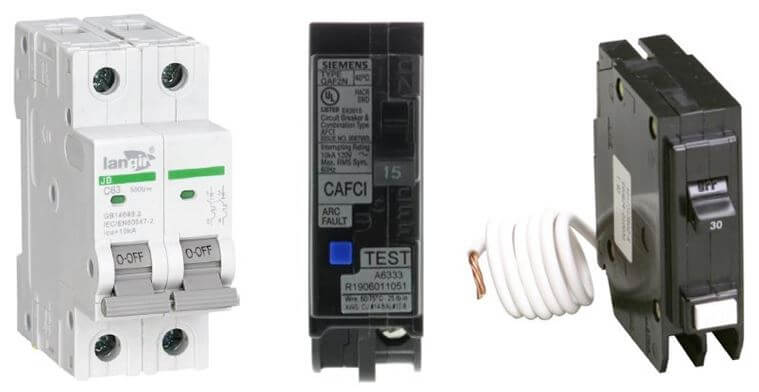
IEC 60947-2 sets performance and test criteria for low-voltage circuit breakers, including DC-rated devices. The standard defines how breakers must be tested for durability, breaking capacity, and operational behavior so they reliably protect circuits under specified conditions.
What Are UL 489 and NEC Standards Relevant to DC Circuit Breaker Safety?
UL 489 covers molded-case breakers and their safety testing; when applicable, compliance demonstrates that a breaker meets recognized safety benchmarks. NEC requirements guide installation and sizing practices in the U.S., ensuring systems are designed and installed to minimize risk.
Which Factors Influence DC Circuit Breaker Selection and Safety Factor Calculation?
Several technical variables change the sizing outcome. Accounting for them keeps protection effective and reliable across operating conditions.
How Do Voltage, Current Ratings, and Trip Curves Affect Breaker Sizing?
Match the breaker’s voltage rating to or above system voltage and size the current rating to expected loads plus safety margin. Trip curves describe the time/current response and determine how the breaker handles short-duration inrush versus sustained overloads — choose the curve that fits your load profile.
What Is the Role of Fault Current and Interrupting Capacity in Safety Factor?
Fault current is the maximum prospective current during a short; interrupting capacity is the breaker’s ability to safely clear that current. Always select a breaker with interrupting capacity equal to or greater than the expected fault level to avoid catastrophic failure.
How Can Langir’s Custom DC Circuit Breaker Solutions Enhance Safety and Compliance?
Langir offers configurable DC breakers to match application-specific voltages, currents, and protection characteristics. Customization helps you meet standards while optimizing protection and performance for your installation.
What Customization Services Does Langir Offer for DC Circuit Breakers?
We provide tailored options — different voltage classes, current capacities, and trip settings — so your breaker fits the system, not the other way around. For custom requests or technical consultation, contattare Langir and our engineering team will help specify the right solution.
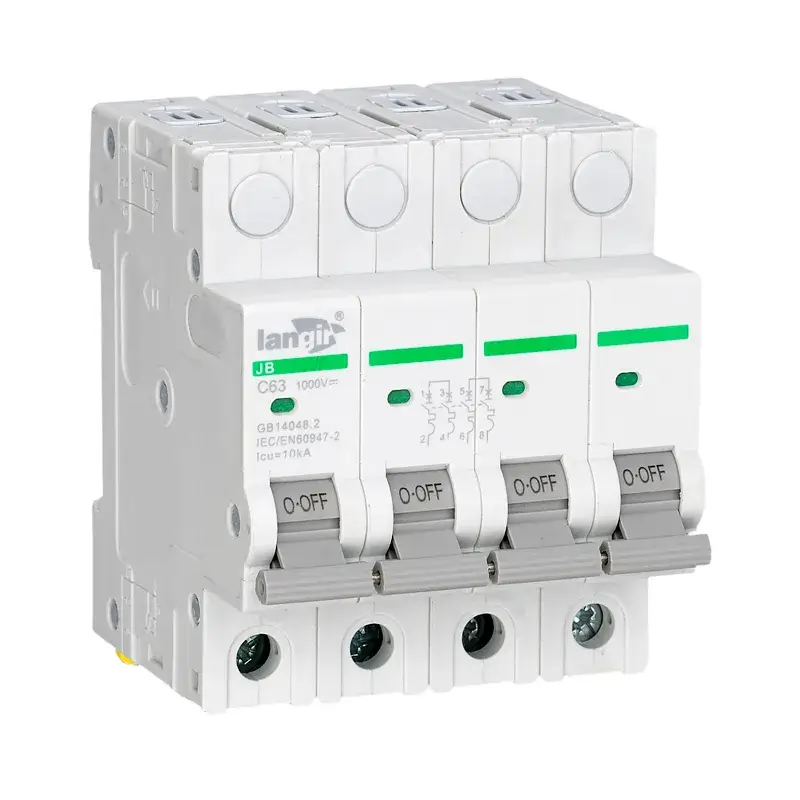
How Do Langir’s JB Series Breakers Meet Safety and Industrial Standards?
The JB Series is engineered to meet IEC and UL benchmarks for DC protection, making it a reliable choice for multi-string PV arrays and general DC applications. Robust construction and tested performance deliver dependable protection in demanding environments.
The JB Series pairs modern protection technology with durable design — built for industrial duty and repeatable performance.
Langir’s JB Series demonstrates how application-focused design and standards compliance improve safety and uptime in real installations.
How to Calculate DC Circuit Breaker Safety Factor | FAQs

Get a quote for custom DC circuit breakers from Langir
What are the common applications for DC circuit breakers?
DC breakers are used across solar PV systems, battery and energy storage, electric vehicles, and industrial DC equipment. They protect batteries, inverters, and sensitive electronics from overcurrent and short circuits, helping systems operate safely through variable loads.
How often should DC circuit breakers be tested or maintained?
Routine inspections are recommended at least annually, with frequency increased for harsh environments or critical systems. Maintenance should include visual checks, torque verification on connections, mechanical operation tests, and functional trip testing after any fault event.
What are the consequences of using an undersized DC circuit breaker?
An undersized breaker can cause nuisance trips, excessive wear, or failure to interrupt a fault — all of which risk equipment damage, downtime, and fire. Correct sizing based on load calculations and safety margins is essential to avoid these outcomes.
Can DC circuit breakers be used in AC applications?
DC and AC breakers are designed for different arc-quenching and operational characteristics. Using a DC-rated breaker in an AC circuit (or vice versa) can lead to inadequate protection. Always use a breaker rated for the specific current type of your system.
What factors should be considered when selecting a DC circuit breaker?
Consider system voltage, expected current, load type (steady, intermittent, or motor inrush), ambient conditions, required trip curve, and interrupting capacity. These factors together determine the correct breaker selection for safety and reliability.
How do environmental conditions affect DC circuit breaker performance?
Temperature, humidity, altitude, and corrosive atmospheres influence a breaker’s thermal limits, insulation integrity, and mechanical lifespan. Account for these conditions in sizing and choose equipment rated for the site to ensure dependable operation.
Conclusione
Calculating the safety factor for DC circuit breakers is a practical step toward safer, more reliable electrical systems. Apply the NEC 125% rule, factor in environmental and load conditions, and verify standards compliance to select the right breaker. For systems that need a tailored approach, Langir’s custom DC breaker solutions deliver compliance, performance, and peace of mind.
 EN
EN  FR
FR  PL
PL  PT
PT  ES
ES  JA
JA  RU
RU  AR
AR  IT
IT  NL
NL  TR
TR  KO
KO  DE
DE