EN
EN


Switches are found in nearly all electronic devices. While some of them are mechanical, though, others are touch-based. Two of the most common types of touch-based switches include piezo and capacitive. They don’t feature moving parts like their mechanical counterparts. Like all touch-based switches, piezo and capacitive switches will open or close a circuit in response to physical contact with a finger or object.
What Is a Piezo Switch?
A Piezo switch is a type of switch that leverages the properties of a piezoelectric material to change the orientation of a circuit. Piezoelectric materials are those that store an electrical charge when exposed to pressure. When certain materials are exposed to pressure, such as the pressure of a finger, they will store an electrical charge. These materials are known as piezoelectric materials, and they are used in the construction of piezo switches as well as piezo touchscreens.
What Is a Capacitive Switch?
A Capacitive switch, on the other hand, is a type of switch that leverages capacitive technology to change the orientation of a circuit. Capacitive technology refers to the use of a uniform electrostatic field to detect touches. Capacitive switches will create a uniform electrostatic field while simultaneously measuring it for changes. If you touch a key on a capacitive switch with a bare finger or any conductive object, the electrostatic field will change. The capacitive switch will then respond by opening or closing the circuit.
Differences Between Piezo and Capacitive Switches
Piezo and capacitive are both touch-based switches. They are designed to open or close a circuit. The way in which they operate, though, varies. Piezo switches are made of a piezoelectric material. When you press a key on a piezoelectric switch, it will store an electric charge while opening or closing the circuit.
Capacitive switches aren’t made of a piezoelectric material. You can find them in different materials. Some of them are made of glass, whereas others are made of a transparent polymer. Regardless, capacitive switches don’t contain any piezoelectric materials in their construction. They are made of traditional materials, such as glass or plastic, that feature conductive traces.
When turned on, capacitive switches will emit a uniform electrostatic field. They’ll constantly measure this electrostatic field to determine when to open or close the circuit. Pressing a key with a bare finger will absorb some of the electrostatic field’s charge. As a result, the capacitive switch will respond by opening or closing the circuit.
All Langir News:
Read More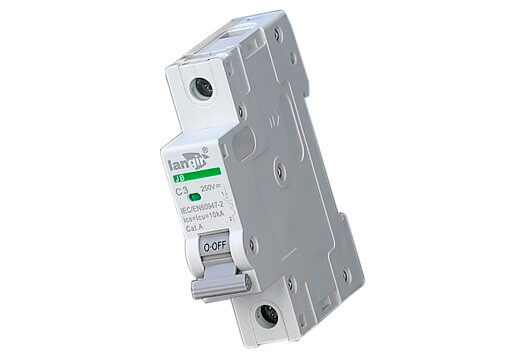
Confused about DC offset voltage? Let’s break it down simply! Learn how it works and its impact on your circuit breaker. Don't ...
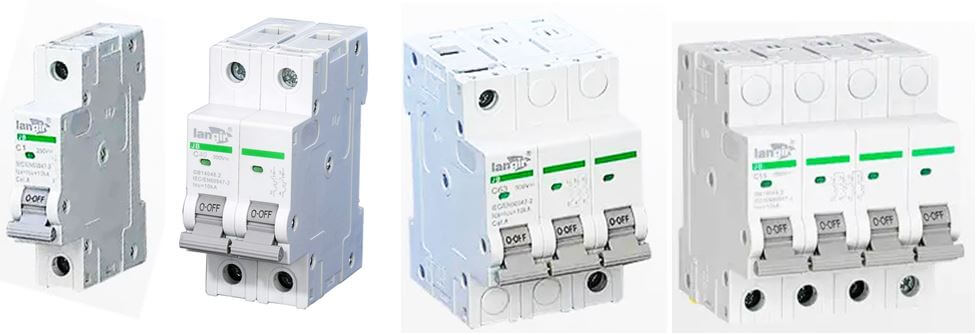
Stop second-guessing your DC circuit breaker safety factor! Learn pro tips to calculate it accurately and ensure optimal protec...
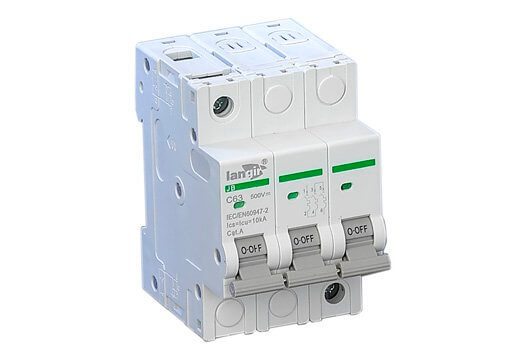
Curious about installing a DC circuit breaker in your home? Learn the pros, cons, and safety tips to power up your space safely...
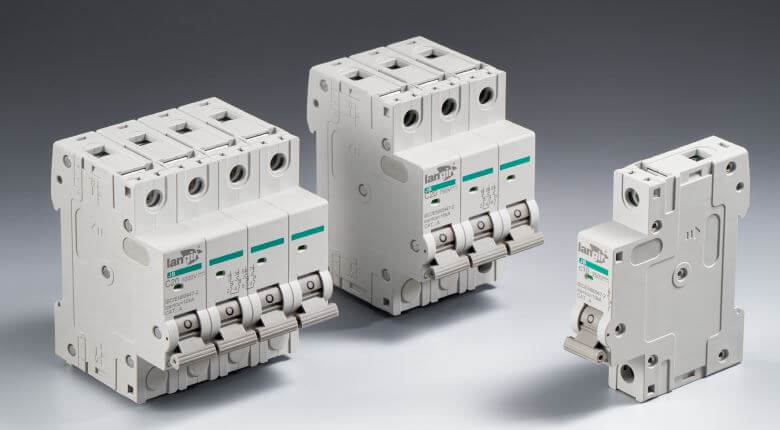
Mastering DC breaker calculations for solar PV circuits is essential. Learn how to determine the right size for optimal perform...
 EN
EN  FR
FR  PL
PL  PT
PT  ES
ES  JA
JA  RU
RU  AR
AR  IT
IT  NL
NL  TR
TR  KO
KO  DE
DE