EN
EN

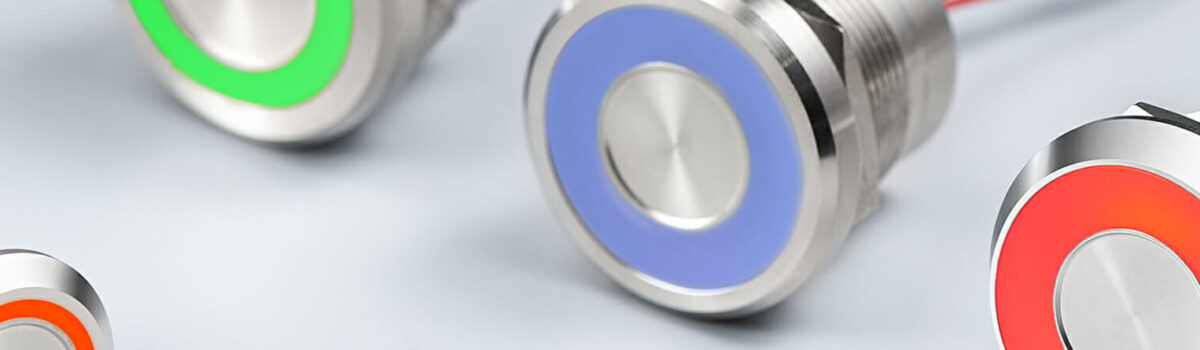
Are you looking to buy a Capacitive switches? If so, you’ll need to choose the right type. Capacitive switches have become increasingly popular. Like all touch switches, they operate via touch. Capacitive switches use a similar method of operation as capacitive touchscreens, with both devices leveraging the human body’s conductivity properties to open and close their respective switches.
There are many different types of Capacitive switches, however. You can find them in different materials, button configurations, styles and more. Regardless of the application for which you plan on using it, it’s important to choose the right Capacitive switch.
Panel Material
Most capacitive switches have an overlay panel. Behind this overlay panel is the electrode, which is responsible for identifying touch commands. Touching a capacitive switch’s panel will result in a change of capacitance. The electrode behind the panel will transfer some of its electricity to your finger, thereby allowing the capacitive switch to identify your command. You can find capacitive switches, though, available in different panel materials.
Some of the most common panel materials used for capacitive switches include the following:
- Glass
- Plastic
- Acrylic
FPC vs PCB
When choosing a capacitive switch, one of the decisions you’ll have to make is whether to go with a Flexible Printed Circuit (FPC) or a Printed Circuit Board (PCB). All capacitive switches have a circuit board. The circuit board is the electrical component that contains the conductive pathways for a switch’s buttons. There are two types of circuit boards used in capacitive switches: FPCs and PCBs.
FPCs are defined by their flexible composition. They are able to bend and flex without breaking. This flexible construction allows them to fit into small spaces. PCBs serve the same purpose as FPCs, but they have a stiff and rigid composition rather than a flexible composition.

Backlighting
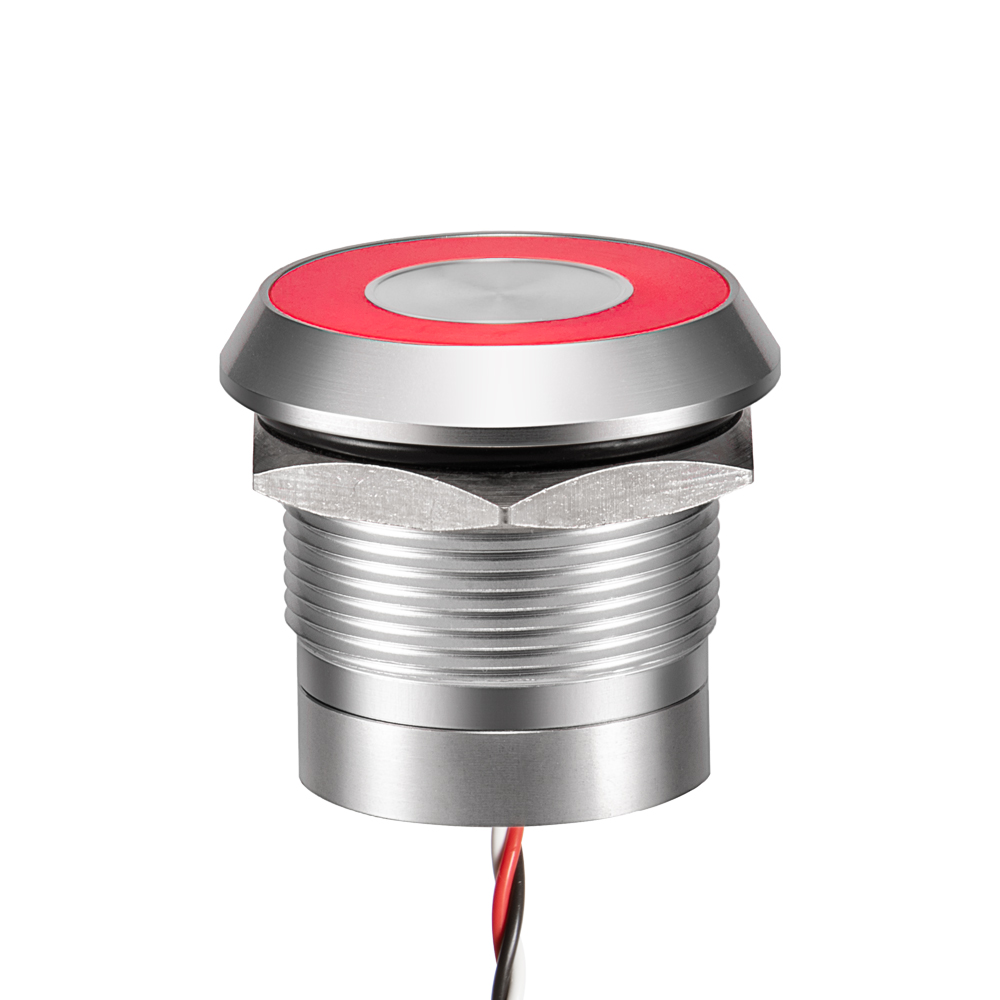
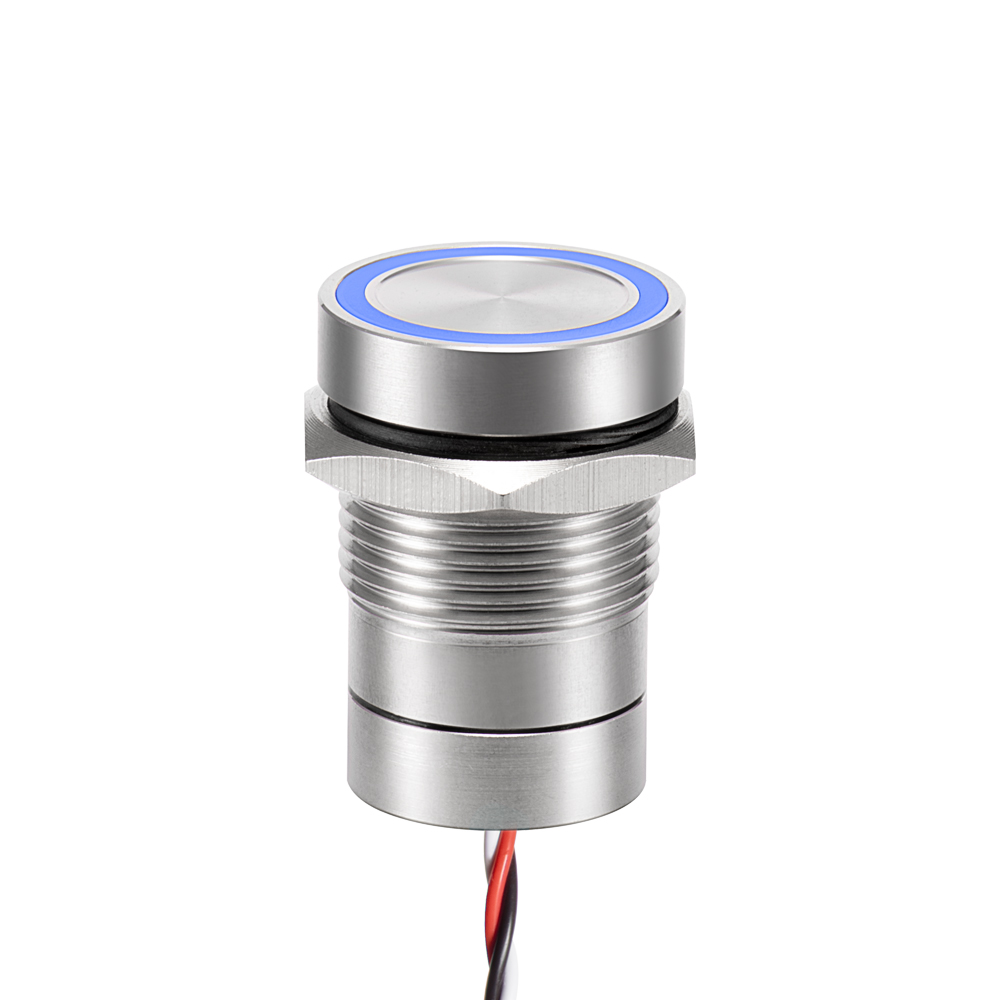
You may want to choose a capacitive switch with backlighting. Like many other types of touch switches, capacitive switches support backlighting. They can be laser-etched, for instance, so that light beams through select areas of the panel. Backlighting isn’t a requirement for capacitive switches. Nonetheless, many businesses prefer capacitive switches with backlighting because it makes them easier to use in low-light conditions.
Light-emitting diode (LED) is the most common type of backlighting for capacitive switches. It’s energy efficient, produces little or no heat, long-lasting and effective. With that said, LED backlighting can be used with light guides to achieve a more even level of illumination that’s protected from bright and dark spots.
All Langir News:
Read More
Understand the connection of your DC circuit breaker to the battery. Learn how proper linking ensures safety and efficiency in ...

Learn how to build a DC circuit breaker with this simple guide. Perfect for beginners, it breaks down the process into easy ste...
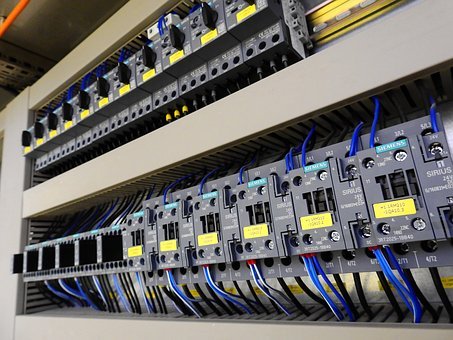
Curious about how circuit breakers act on DC amperage? This article delves into the differences, ensuring safety and understand...
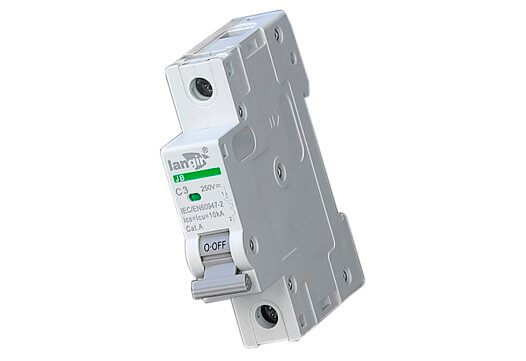
Choosing the right 400 Amp DC circuit breaker size is crucial for safety and performance. Learn how to select the best one for ...
 EN
EN  FR
FR  PL
PL  PT
PT  ES
ES  JA
JA  RU
RU  AR
AR  IT
IT  NL
NL  TR
TR  KO
KO  DE
DE