EN
EN

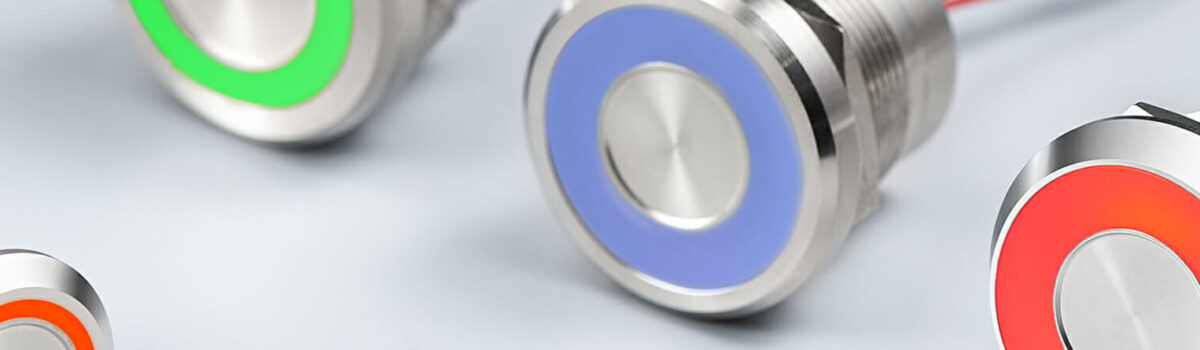
When researching some of the different types of electrical switches, you may come across capacitive switches. They’ve become an increasingly popular alternative to mechanical switches. You can find capacitive switches for consumer electronics as well as commercial electronics. Like all switches, they are designed to control a circuit. capacitive switches, however, feature a unique design that sets them apart from the rest.
Overview of Capacitive Switches
Capacitive switches are circuit-controlling devices that are characterized by their touch-based method of operation. They are similar to capacitive touchscreens. Capacitive touchscreens and capacitive switches both require direct contact with a conductive object, such as a bare finger. Contact with a conductive object will create a disruption in an otherwise uniform electrostatic field.
There are different types of Capacitive switches. Nonetheless, they all require direct contact with a conductive object. You can’t control a capacitive switch with a non-conductive object. All Capacitive switches operate by measuring capacitance. They’ll emit an electrostatic field while simultaneously measuring it for changes of capacitance.

Benefits of Capacitive Switches
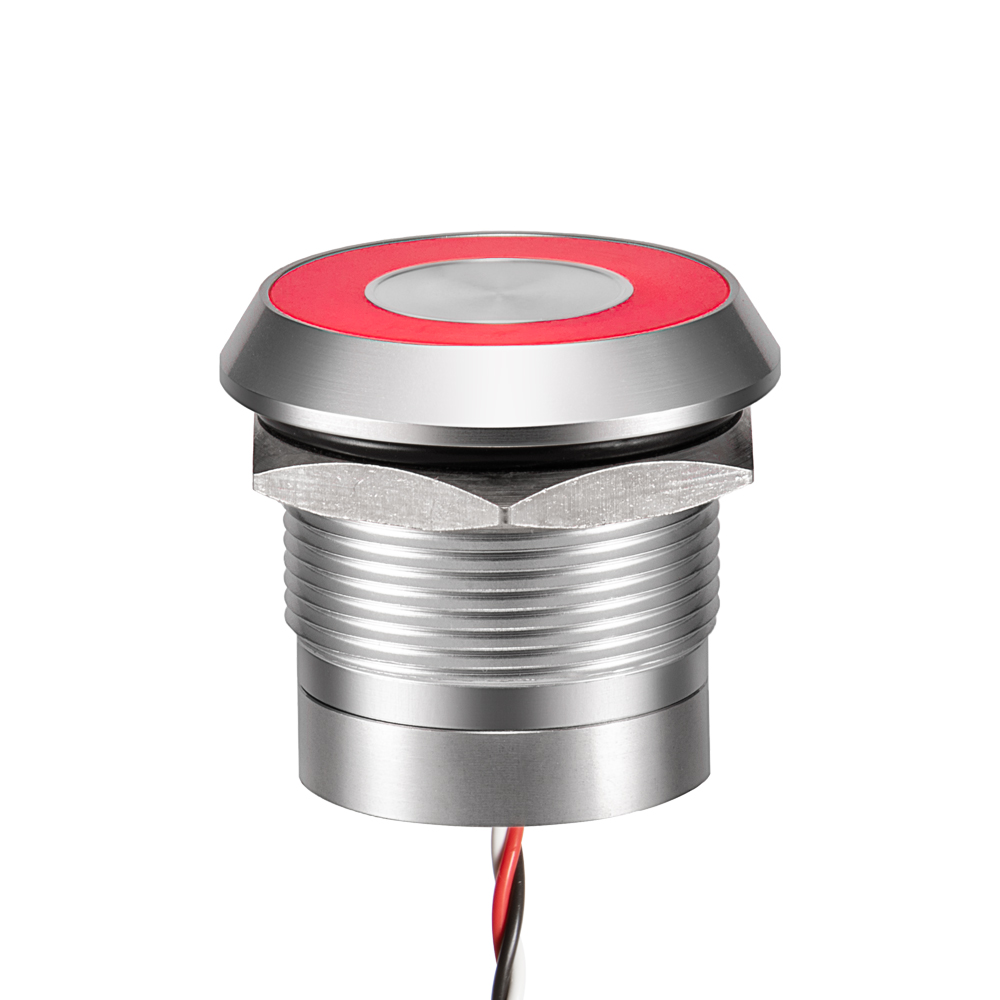
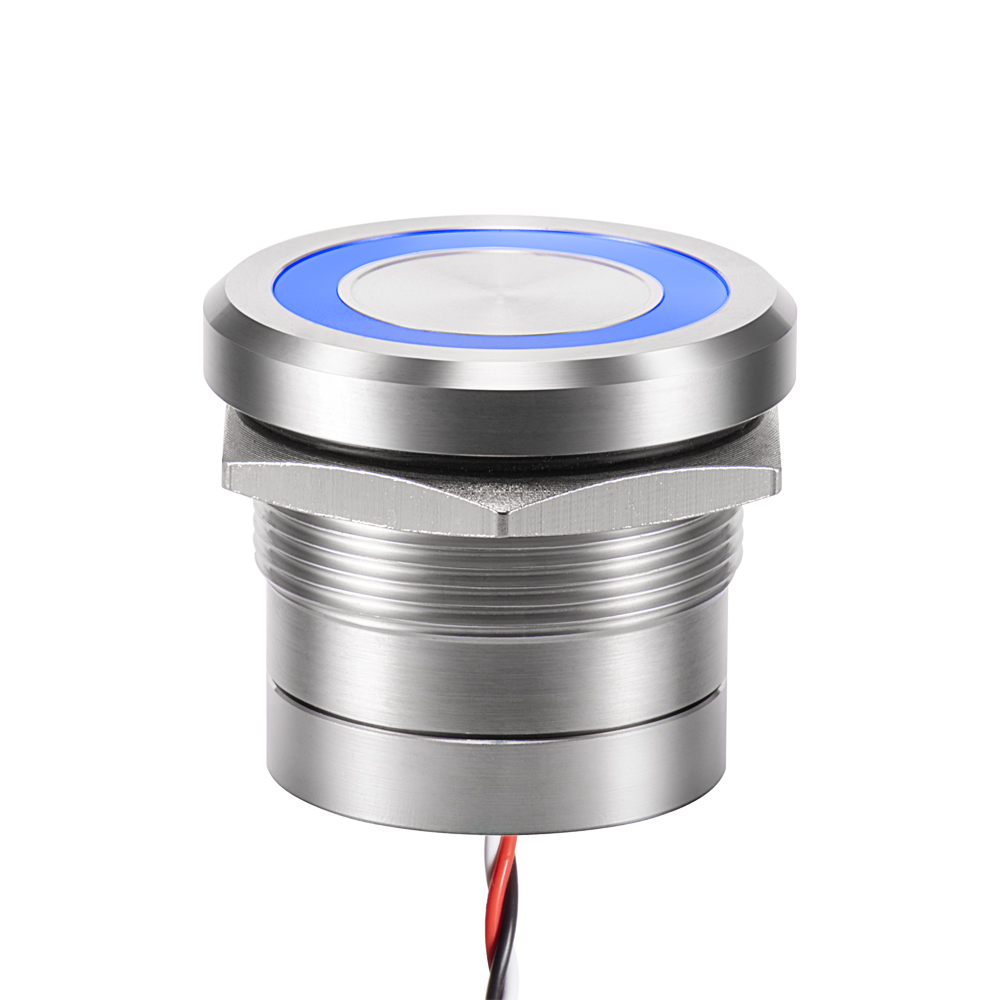
Being that there are other switches on the market, you might be wondering what benefits capacitive switches offer. Well, there are several reasons to consider choosing capacitive switches. For starters, they are better protected against mechanical failure. Mechanical failure, in fact, is almost nonexistent in capacitive switches. This is because capacitive switches don’t use moving parts to control a circuit; they use capacitance.
Capacitive switches are also more ergonomic than traditional switches. You can control them naturally and effortlessly by pressing your finger against the capacitive panel. This makes them more ergonomic than traditional switches, which often require a more forceful touch.
Choosing the Right Capacitive Switches
If you’re thinking about capacitive switches for your business, you should choose the right type. You can find capacitive switches in different materials. The overlays, for instance, are often made of either plastic, glass or acrylic. All three of these materials are transparent. Plastic and acrylic, though, are typically stronger than glass. Glass, on the other hand, offers a higher level of clarity and brightness.
In addition to the overlay material, you should consider the backlighting when choosing capacitive switches. While not a requirement for capacitive switches, many of them feature backlighting. Some of the most common types of backlighting for capacitive switches include light-emitting diode (LED), electroluminescent (EL) and light guides. Backlighting will illuminate a capacitive switch so that it’s easier to see and use in low-light conditions.
All Langir News:
Read More
Curious about DC circuit breakers? Learn how they function and ensure safety in your electrical systems. Get the insights you n...
Wiring a 2 pole DC circuit breaker can be easy. Get straightforward steps and tips to avoid headaches while doing it right. Pow...
Meta Description: "Ever wondered about AC vs. DC and how they affect circuit breaker loads? Unravel the quirks of electricity a...

Master wiring a DC circuit breaker with these easy tips and tricks. You'll feel like a pro in no time while keeping things safe...
 EN
EN  FR
FR  PL
PL  PT
PT  ES
ES  JA
JA  RU
RU  AR
AR  IT
IT  NL
NL  TR
TR  KO
KO  DE
DE