EN
EN

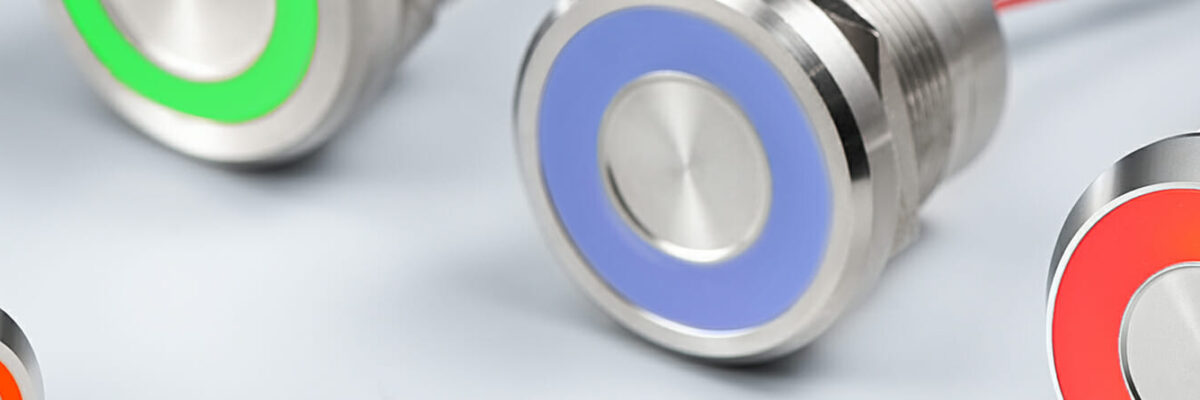
Capacitive switch technology is based on the principle of signal detection through capacitance or resistive coupling (human touch) of identified generated input pulses.
Capacitive switches, also known as touch switches or touch-sensitive switches, are electronic devices that detect touch or proximity by utilising the principles of capacitance. They are commonly used as alternative inputs to mechanical switches in various electronic devices and touch-sensitive interfaces.
Unlike traditional mechanical switches that rely on physical contact to complete or break a circuit, capacitive switches work by measuring changes in capacitance. Capacitance refers to the ability of an object or material to store an electric charge. When a conductive object, such as a finger, comes in close proximity to a capacitive switch, it alters the capacitance of the switch’s sensing area.
The touch surface can be designed with virtually any dielectric material including glass, plastic, polycarbonate, or any rough or smooth surface less than 25mm thick. Sensitivity is adjustable allowing operators to actuate the device with or without gloves. Because there are no moving parts, a capacitance switch is rated for more than five million cycles.
Capacitance switch technology provides cost-effective design alternatives to other switch technologies. Open architecture allows for easy integration or retrofit into a wide range of switch applications.
The CP Series Capacitive switch technology senses the touch of a finger and creates an electrical charge to activate the switch. An auto-calibration function ensures the sensor adapts to changing external environments.
LANGIR’s capacitive switch are specially designed for durability and a low activation force. As sensitive as a touch screen, the capacitive switch are perfect for industrial applications where repetitive activation can cause operator fatigue.
Learn more in our extensive guide here.
Features
- Activated by the easy touch of a finger, the capacitive switch extremely to use
- Adjustable sensitivity sensor adapts to external environments
- Easy-to-locate or on/off indication is possible through independent or output image LED functionality
- Easy to clean because the switch is impervious to dust and dirt, and resistant to harsh chemicals and contaminants
- 50 million cycles and no moving mechanical parts make LANGIR’s CP switches robust and durable
- Available in momentary or latching and with or without illumination
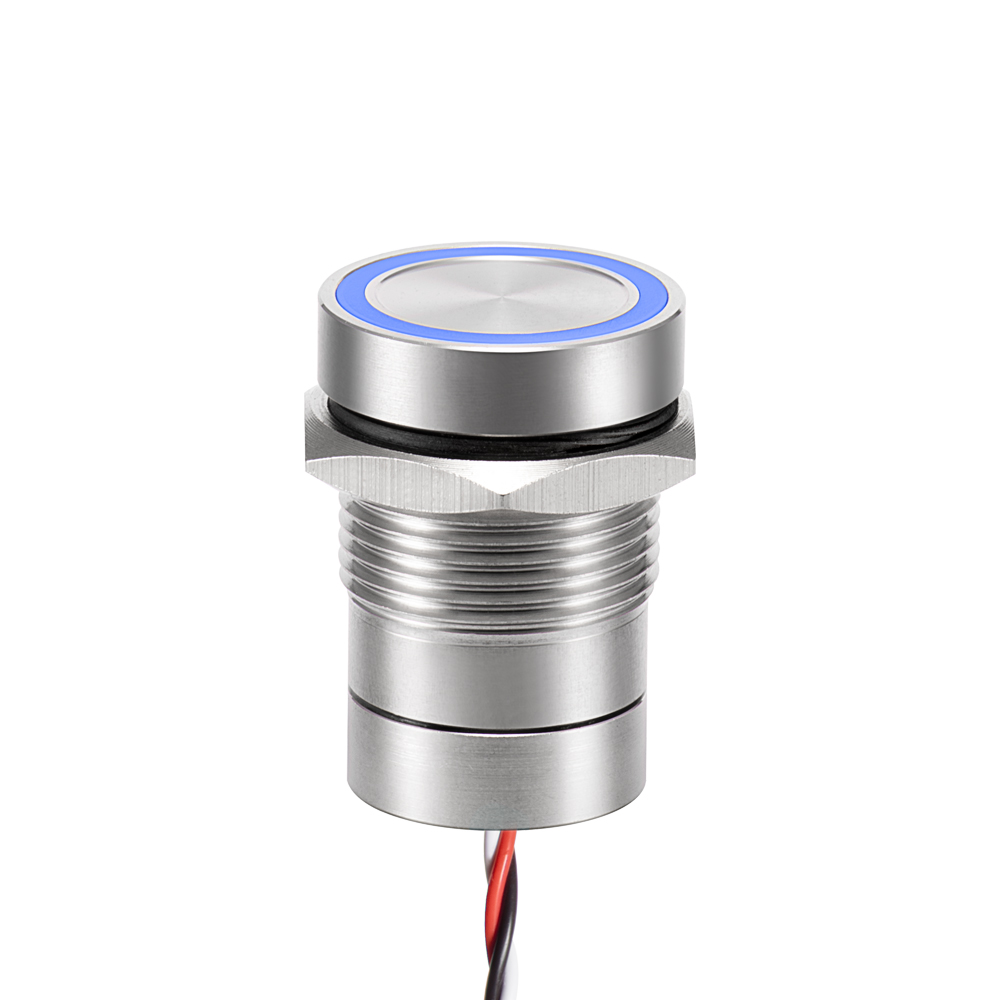

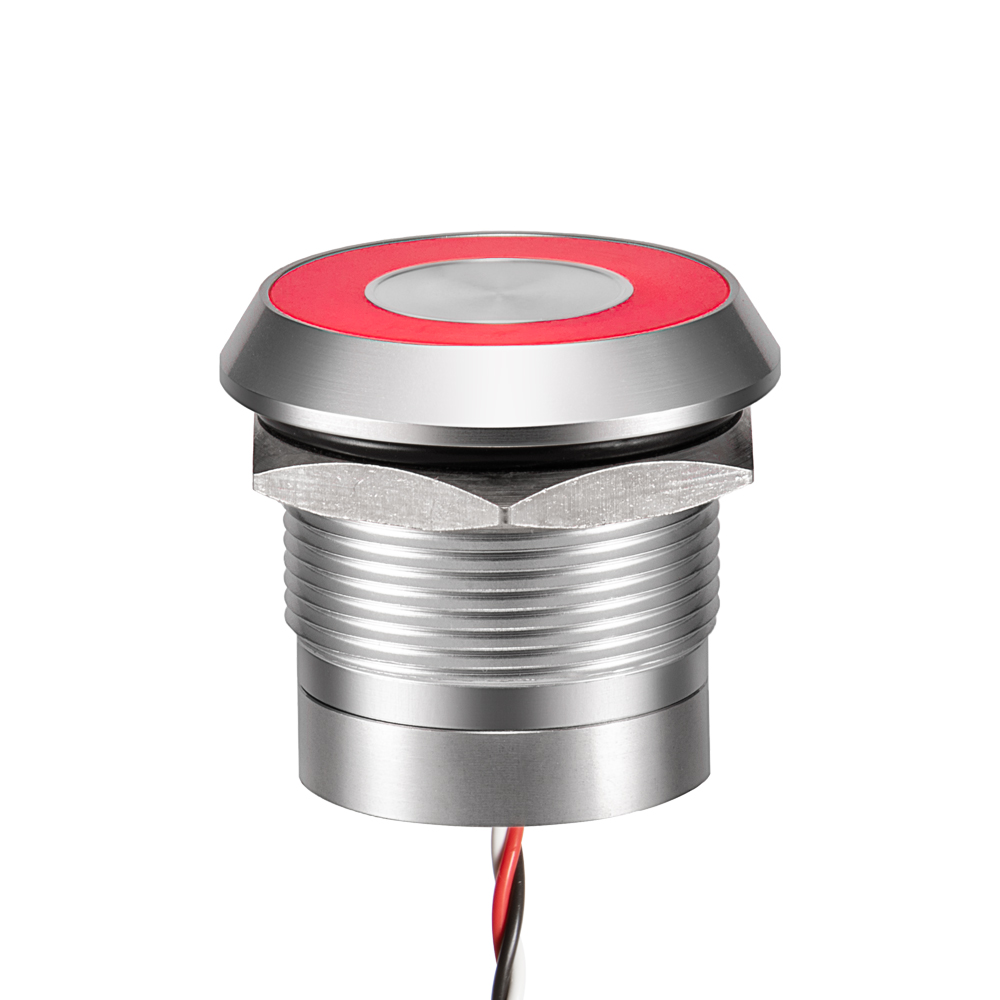
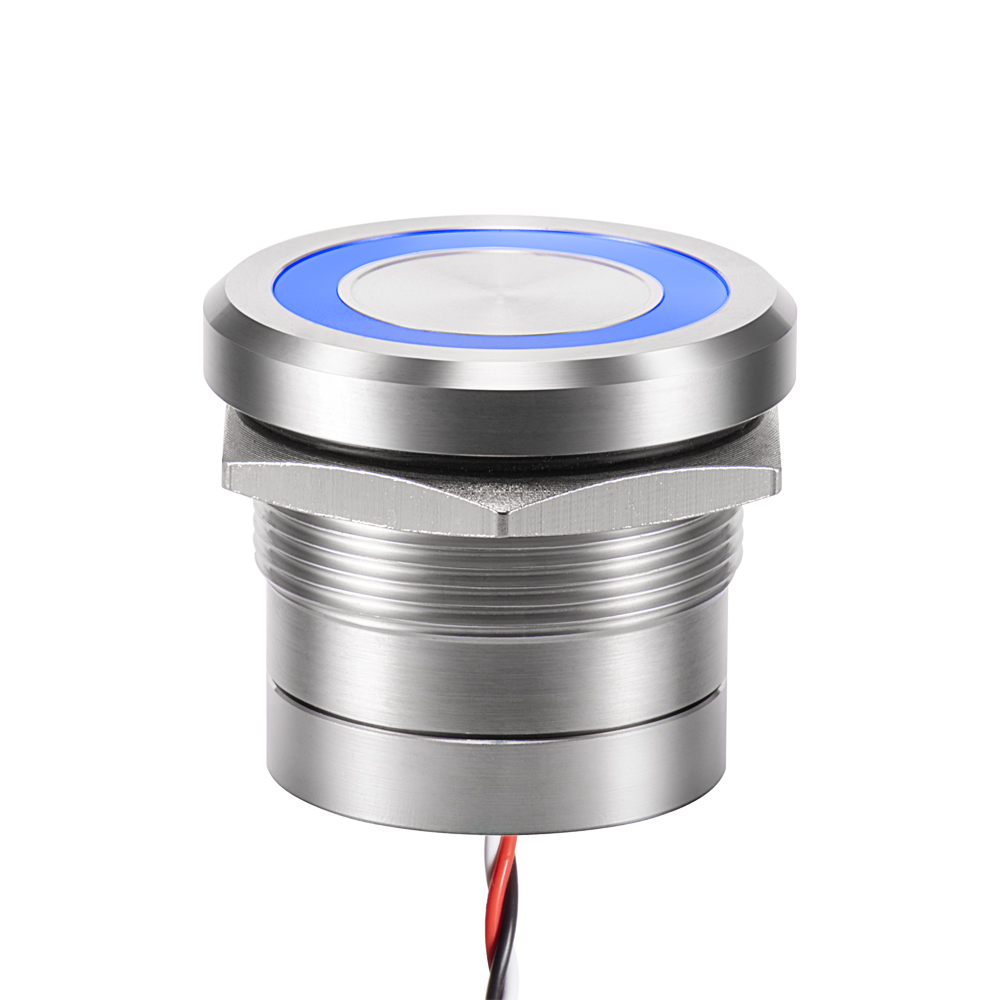
What are the benefits of capacitive switches?
Capacitive switches offer several benefits over traditional mechanical switches, which contribute to their popularity in various applications. Here are some of the key advantages of capacitive switches:
- Durability: Capacitive switches do not have moving parts, reducing the risk of mechanical failure due to wear and tear.
- Sensitivity: Capacitive switches are highly sensitive and can detect even the lightest touch or proximity of a conductive object. This sensitivity allows for precise and accurate touch inputs, making them ideal for applications where fine control is required.
- No physical contact: Unlike mechanical switches that require physical contact to activate, capacitive switches operate based on proximity or touch without any physical pressure.
- Easy to clean: The absence of physical buttons or crevices makes capacitive switches easier to clean compared to mechanical switches.
- Design flexibility: Capacitive switches can be designed in various shapes, sizes, and layouts, allowing for greater design flexibility in different applications.
- Environmental resistance: Capacitive switches are less susceptible to environmental factors like temperature, humidity, and contaminants compared to mechanical switches
- Aesthetic appeal: Capacitive switches contribute to a clean and modern appearance in electronic devices. Their sleek and flat surfaces, often integrated into touchscreens, add to the aesthetic appeal of products, creating a more visually appealing user interface.
Specifications
Electrical and General specifications
- Max. current/voltage rating : 200mA 24VDC
- Supply voltage : 5 to 24VDC
- Life expectancy : 50 million cycles
- Power consumption non-illuminated : 7mA
- Power consumption illuminated : 25mA
- Operating force : 0N
LED state for output image option: 1 LED : the LED is ON when the output is closed. 2 LEDs : first colour is ON when the output is open. Second colour is ON when the output is closed. - Output type: NPN or PNP
Electrical and General specifications
- Case: Staionless steel, aluminium anodized and plastic
- Multi-wire leads section 0,22mm2length 300 mm
- Cable, length 300 mm, section depending on switch model
- Connector: HE14 6V compatible with AMP/TYCO281839-3
Electrical and General specifications
- Sealing: IP68 and IP69K according to IEC60529
- Triggered by flowing water
- Impact resistance: IK10
- Operating temperature: -20°C to +65°C
- ESD: complies with EN61000-4-2 (extended) ± 8KV (20 contacts) and ± 15KV (20 air discharges)

All Langir News:
Read More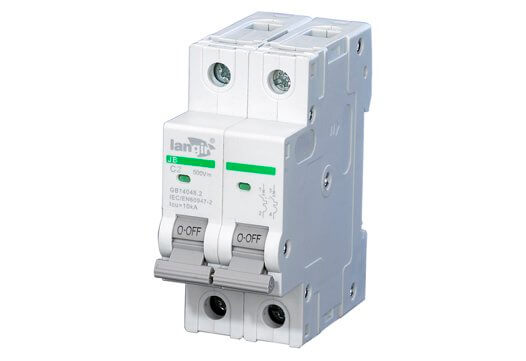
Curious about DC circuit breakers? Learn how they function and ensure safety in your electrical systems. Get the insights you n...

Wiring a 2 pole DC circuit breaker can be easy. Get straightforward steps and tips to avoid headaches while doing it right. Pow...
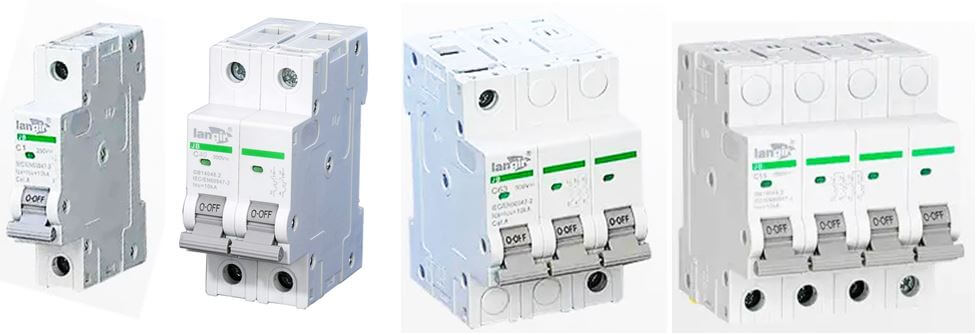
Meta Description: "Ever wondered about AC vs. DC and how they affect circuit breaker loads? Unravel the quirks of electricity a...

Master wiring a DC circuit breaker with these easy tips and tricks. You'll feel like a pro in no time while keeping things safe...
 EN
EN  FR
FR  PL
PL  PT
PT  ES
ES  JA
JA  RU
RU  AR
AR  IT
IT  NL
NL  TR
TR  KO
KO  DE
DE