EN
EN

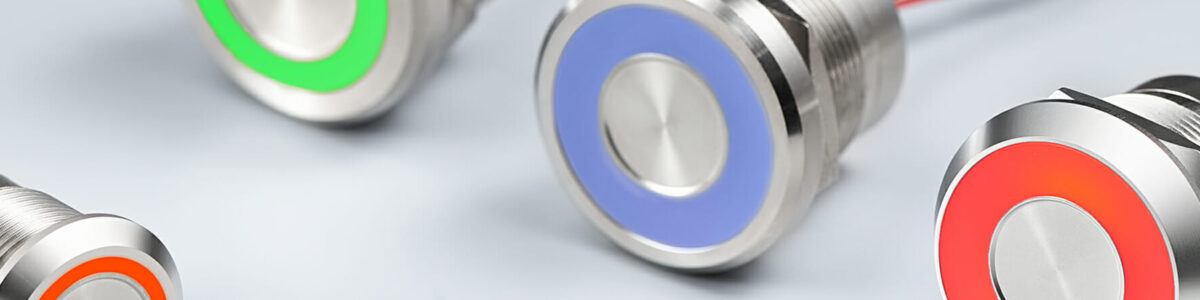
A capacitive switch is a type of touch-controlled electrical switch that operates by measuring change in capacitance. It works in the same manner as a typical capacitive smartphone: when you touch the surface — assuming you aren’t wearing gloves — a small electrical charge is transferred from your body to the switch, which subsequently causes a change in capacitance. The switch detects this change, responding with the appropriate command.
Upon touching a capacitive switch, this electrical charge disturbs the switch’s own electrical charge; thus, causing a change in capacitance. Because of this change, the switch can identify when and where the touch occurred, which is essentially how capacitive switches work.
Design Overview
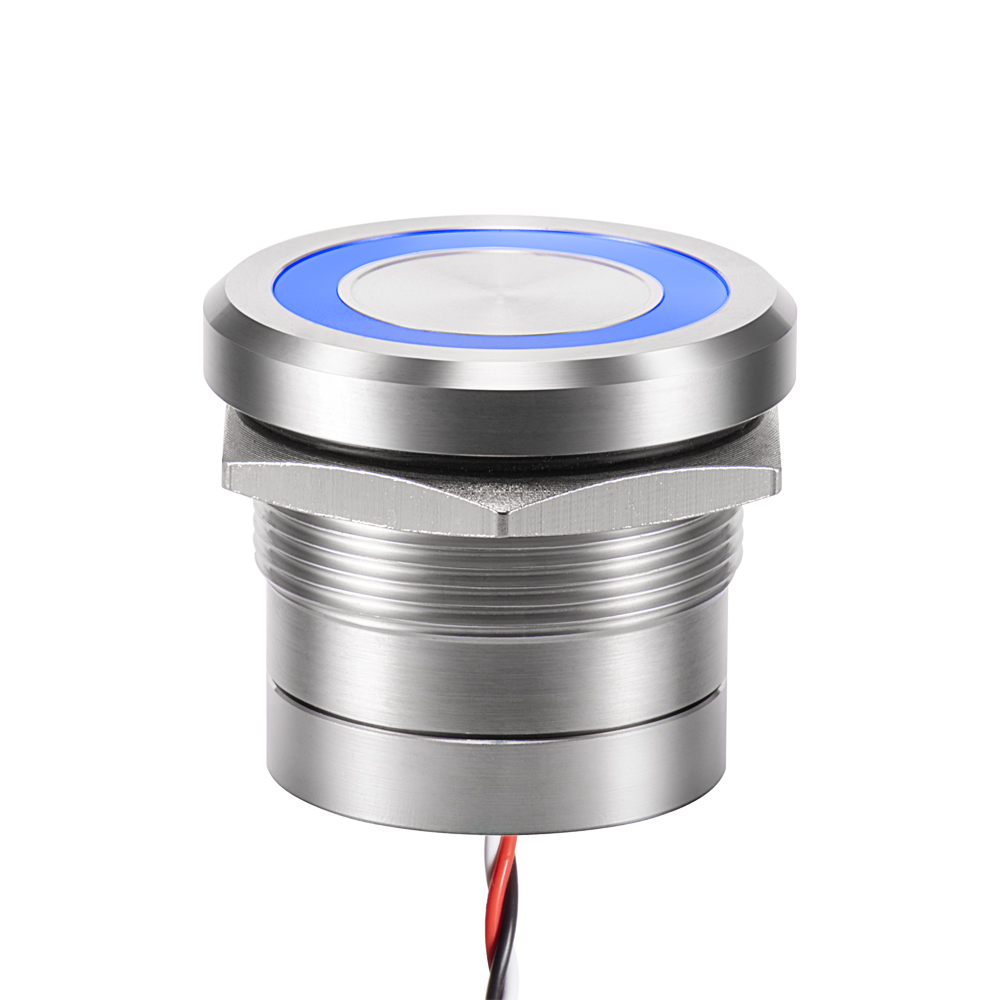
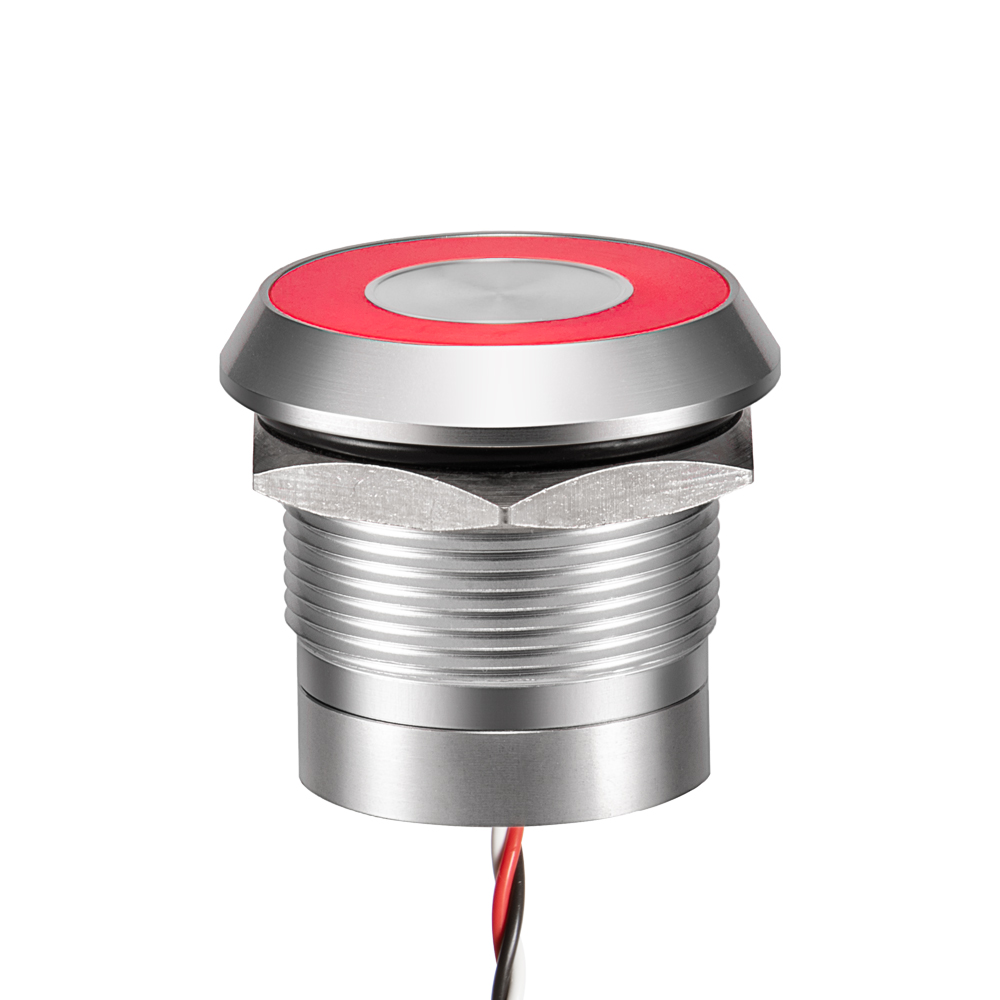
Most capacitive switches feature three layers: an upper graphics overlay layer, a circuit layer (flexible printed circuit or printed circuit board), and a backer layer. Normally, the overlay layer is made of a durable material like plastic or glass.

Benefits of Using a Capacitive Switch
What makes capacitive switches preferred over other switches? For starters, there are no mechanical components in a capacitive switch, resulting in a longer lifespan when compared to their mechanical counterpart. Additionally, capacitive switches can withstand some of the harshest environments, including outdoor environments. If the intrusion of dirt, dust or moisture is a concern, capacitive is probably the best option for an electrical switch.
The key thing to remember about capacitive switches is that they require direct contact with a conductive object to operate. This is why using a stylus typically won’t work (unless it’s a capacitive stylus).
Capacitive switches can also be used in a wide range of applications, including vending machines, smartphones, tablets, human machine interfaces (HMIs), industrial controls, appliances, infotainment centers and more. Furthermore, they support integration of other features like light-emitting diode (LED) backlights.
Other Types of Touch Switches
Of course, capacitive is only one type of touch switch. Resistive and piezo are two other common types of touch switches, the former of which works by lowering the resistance of two conductive components, while the latter uses the mechanical bending properties of piezo ceramic. Of the three different touch switches described, however, capacitive is typically the preferred choice because of its accuracy, reliability and overall versatility.
As you can see, capacitive switches offer several key benefits, including versatility and longevity. So, if you need an electrical switch, consider using a capacitive switch.
All Langir News:
Read More
Confused about DC offset voltage? Let’s break it down simply! Learn how it works and its impact on your circuit breaker. Don't ...
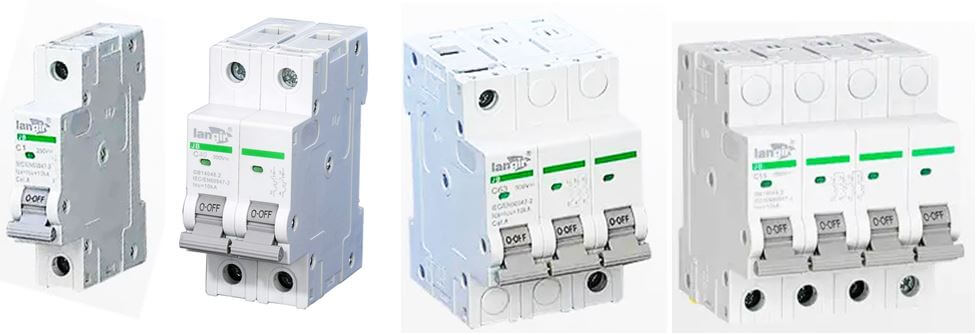
Stop second-guessing your DC circuit breaker safety factor! Learn pro tips to calculate it accurately and ensure optimal protec...
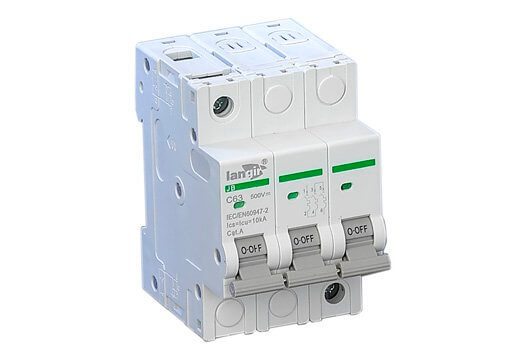
Curious about installing a DC circuit breaker in your home? Learn the pros, cons, and safety tips to power up your space safely...
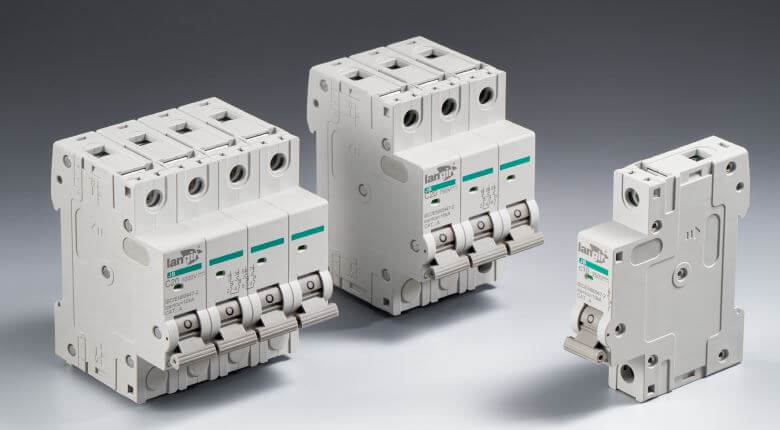
Mastering DC breaker calculations for solar PV circuits is essential. Learn how to determine the right size for optimal perform...
 EN
EN  FR
FR  PL
PL  PT
PT  ES
ES  JA
JA  RU
RU  AR
AR  IT
IT  NL
NL  TR
TR  KO
KO  DE
DE