EN
EN

For industrial operations demanding robust, sealed interfaces in challenging environments, capacitive switches offer unparalleled durability through contactless activation, significantly enhancing uptime and hygiene. This comprehensive guide will walk you through the fundamentals of capacitive switch technology, essential industrial design principles, a precise build-and-test methodology, key application scenarios, and strategic approaches for high-volume manufacturing and procurement. Whether you’re an automation engineer or a procurement specialist, you’ll gain the expertise to design and seamlessly integrate resilient capacitive push button solutions, while also discovering Langir’s advanced custom-order capabilities for your large-scale projects.
Understanding Capacitive Switches: Principles and Operation
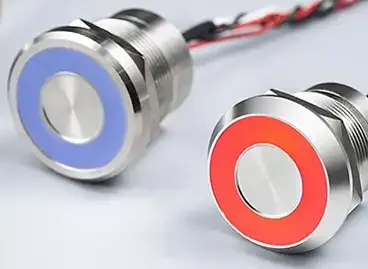
A capacitive switch functions as an electronic interface that harnesses variations in capacitance—its inherent ability to store an electric charge—to detect touch without any moving parts. This design inherently boosts longevity and provides superior sealing against contaminants. Its integrated sensing IC continuously monitors an electrode’s electric field; when a finger or conductive object alters this field, the controller triggers a clean, wear-free activation, engineered to withstand moisture, dust, and chemical exposure.
Get a quote for custom capacitive switches from Langir
What is Capacitance and Its Role in Touch Sensing?
Capacitance describes the capacity of two conductive surfaces, separated by a dielectric, to store opposing electrical charges. In touch sensing, the electrode and a user’s finger dynamically form this capacitor. As the finger approaches or makes contact with the panel, the system’s capacitance increases. The sensor IC precisely measures this change to register a touch event. Grasping this fundamental principle is crucial for achieving precise sensitivity tuning and ensuring reliable operation in demanding industrial Human-Machine Interfaces (HMIs).
How Do Capacitive Switches Detect Touch Without Physical Contact?
A capacitive switch generates an electric field around its electrode using a high-frequency oscillator. When a conductive object, such as a human finger, enters this field, the system’s capacitance increases. The sensing circuit then converts this rise into a digital signal. This contactless detection method eliminates mechanical wear entirely and enables robust sealing up to IP67 standards, guaranteeing exceptional long-term reliability in harsh settings.
Capacitive Touch Technology Explained
Capacitive touch technology leverages the principle of capacitance to accurately detect touch inputs. When a finger approaches or contacts the panel surface, the capacitance of the system changes, which the sensor IC precisely measures to register a touch event. This innovative contactless detection eliminates mechanical wear points and facilitates robust sealing to IP67 standards, ensuring superior long-term reliability for industrial applications.
Malvino, A. P., Electronic Principles (2017)
This foundational research provides critical insights into the electronic principles underpinning capacitive touch sensing, which is essential for a comprehensive understanding of how capacitive switches operate.
What Are the Core Components of a Capacitive Switch?
Capacitive switch assemblies are meticulously engineered, integrating three essential components:
- An electrode plate or foil, responsible for generating the electric field.
- A Printed Circuit Board (PCB) featuring precise sensing traces and a robust ground plane.
- A dedicated controller IC for accurate capacitance measurement and digital output signal generation.
These elements are seamlessly integrated into a sealed housing, often with specialized overlays or front panels, specifically designed to endure industrial environments and connect directly to control systems.
Capacitive vs. Mechanical vs. Piezo Switches: A Comparative Analysis
The table below provides a direct comparison of three common industrial push-button types, highlighting their activation methods, expected lifespan, and sealing capabilities.
Capacitive switches consistently outperform traditional mechanical buttons by eliminating all moving parts, and they offer simpler, more effective sealing solutions compared to piezo elements—paving the way for advanced, highly reliable HMI designs in demanding industrial settings.
Designing Industrial-Grade Capacitive Switches for Unmatched Durability and Reliability
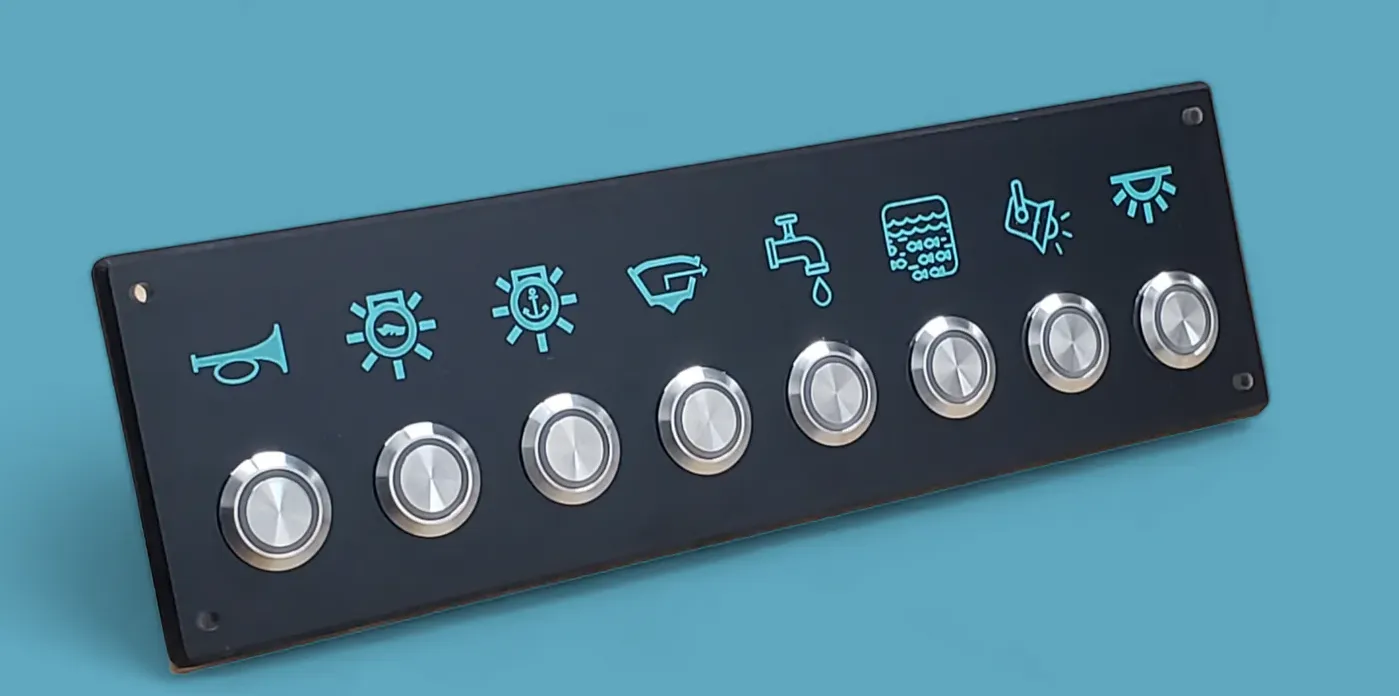
Crafting a rugged capacitive interface demands meticulous attention to electrode geometry, PCB layout, material selection, and comprehensive noise immunity measures. Each aspect must be precisely optimized to maintain consistent sensitivity and withstand the most severe industrial stressors for millions of operational cycles.
Get a quote for custom capacitive switches from Langir
Best Practices for Electrode Design in Industrial Capacitive Switches
Effective electrode layouts are crucial for balancing area, shape, and spacing to achieve uniform electric field distribution. Employ interdigitated fingers or broad pads with consistent trace widths. Key design guidelines include:
- Selecting high-quality copper or ITO layers for superior and stable conductivity.
- Maintaining a precise 1–3 mm clearance to the ground plane for optimal sensitivity control.
- Applying a uniform dielectric overlay (such as glass or plastic) to ensure repeatable and consistent performance.
Adhering to these practices guarantees predictable capacitance changes and simplifies the calibration process, leading to highly reliable switch operation.
Optimizing PCB Layout for Peak Capacitive Sensing Performance
An optimized PCB layout is paramount for isolating sensing traces from potential noise sources. This is achieved by:
- Implementing a dedicated, robust ground plane directly beneath sensing pads.
- Strategically routing high-speed or power traces far away from sensitive electrode areas.
- Utilizing guard rings, securely tied to ground, around all sensing paths to minimize interference.
These critical steps effectively minimize electromagnetic interference (EMI) and mitigate ESD risks, ensuring accurate and stable touch detection even amidst significant industrial electrical noise.
Ideal Materials for Durable Capacitive Interfaces
The choice of surface materials profoundly impacts durability, tactile feel, and sealing capabilities. Consider these key options:
Selecting the appropriate overlay material directly influences the switch’s wear resistance, chemical compatibility, and overall user experience within its intended industrial application.
Addressing Noise Immunity and EMI/ESD in Capacitive Switch Design
Industrial environments necessitate robust EMI/ESD mitigation strategies through careful component selection and layout tactics:
- Integrating series resistors (typically 47–100 Ω) into sensing lines.
- Employing common-mode chokes on power rails to suppress noise.
- Incorporating transient voltage suppressors (TVS) at controller inputs for surge protection.
These measures are vital for preserving touch accuracy and safeguarding against voltage spikes, enabling consistent and reliable operation even when positioned near motors or welding equipment.
Langir’s Custom Capacitive Switch Design Process
Langir’s streamlined customization workflow seamlessly integrates technical collaboration with rapid prototyping, ensuring your exact specifications are met:
- Requirements Review: Detailed discussion of material, sealing, color, and footprint specifications.
- Electrode and PCB Design: Expert CAD drawings and advanced simulation to optimize performance.
- Prototype Approval: Provision of small-run samples for rigorous factory testing and validation.
- Production Ramp-up: Efficient tooling, necessary certifications, and high-volume manufacturing.
This meticulous process guarantees that every capacitive push button precisely matches your industrial specifications, achieving an optimal balance of performance and cost-effectiveness.
Step-by-Step Guide: Building a Capacitive Switch
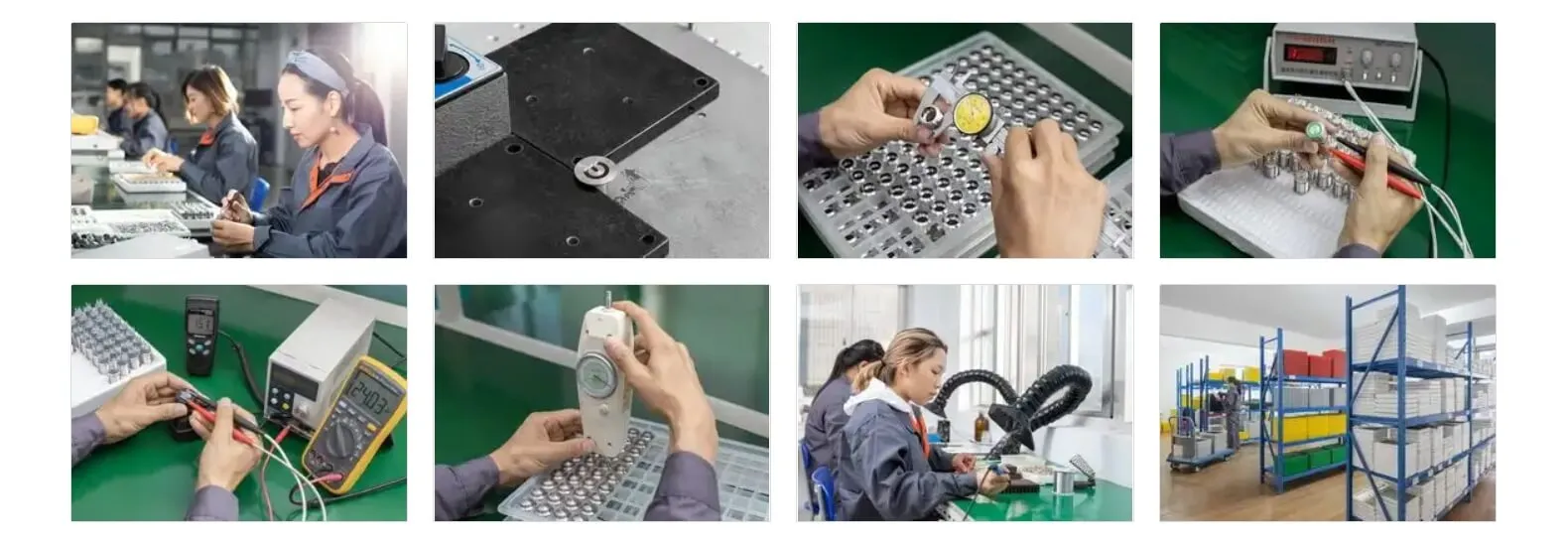
Constructing a functional capacitive switch involves a systematic approach: sourcing quality components, precise sensor assembly, meticulous controller programming, and thorough performance verification through rigorous testing.
Get a quote for custom capacitive switches from Langir
Step-by-Step Overview:
- Gather all necessary parts and specialized tools.
- Accurately mount the electrode onto the PCB.
- Carefully solder the controller IC and associated components.
- Develop and meticulously calibrate the firmware.
- Conduct comprehensive functional and environmental tests.
Following this sequence ensures the creation of a reliable, precisely calibrated touch interface, ready for seamless integration into your systems.
Essential Components and Tools for Capacitive Switch Assembly
To successfully assemble your capacitive switch, you will require:
- A copper-clad PCB blank or a custom-fabricated board.
- A suitable capacitive sensing IC (e.g., TTP223, MPR121).
- A high-quality soldering station, flux, and solder wire.
- A multimeter and an LCR meter for precise capacitance verification.
- A microcontroller or development kit for calibration and programming.
Possessing precise measurement tools significantly accelerates the prototyping and fine-tuning phases, ensuring optimal performance.
Assembling the Electrode and PCB for Capacitive Sensing
Begin by precisely placing the electrode pattern on the PCB’s top layer, securing it with a solder mask, and attaching a robust ground plane on the bottom layer. Ensure that guard traces meticulously surround all sensing pads. Apply solder evenly to prevent any irregularities that could adversely affect the electric field. Once all components are in place, meticulously verify trace continuity and isolation to ensure flawless operation.
Programming and Calibrating the Capacitive Switch Controller
Load the firmware that precisely defines threshold levels, debounce timing, and overall sensitivity. Utilize readily available example libraries (such as Arduino or vendor SDKs) to:
- Establish a stable baseline capacitance reading.
- Adjust threshold margins to ensure robust wet-finger immunity.
- Calibrate the system with multiple touch samples to effectively minimize false triggers.
Proper calibration is paramount for ensuring stable and reliable activation across varying temperature and humidity conditions in industrial environments.
Testing and Validating Capacitive Switch Functionality
Post-assembly testing protocols must include:
- A comprehensive sensitivity sweep, ranging from 0 pF up to the expected finger capacitance.
- Rigorous cycle testing for millions of activations to confirm long-term durability.
- Extensive environmental exposure tests (e.g., salt spray, temperature cycling) to simulate real-world conditions.
These critical tests confirm that the switch consistently maintains its performance under the most demanding real-world industrial conditions.
Common Troubleshooting Tips for Capacitive Switches
Should a sensor exhibit erratic behavior, systematically check for:
- Loose ground connections, which can lead to signal drift.
- Inadequate guard traces, potentially allowing noise coupling.
- Incorrect threshold settings within the firmware.
Iterative adjustments to electrode size and firmware parameters typically resolve most issues, restoring reliable and accurate touch detection.
Optimal Industrial Applications for Capacitive Switches
Capacitive switches excel in sectors demanding sealed, hygienic, and vandal-resistant interfaces, significantly boosting uptime and enhancing user safety across a diverse range of machinery and equipment.
- Medical Devices for Sterile Interfaces: Glass panels are ideal, withstanding harsh disinfectants without mechanical failure.
- Food Processing Equipment: IP69K sealing ensures compliance with rigorous wash-down protocols without switch degradation.
- Public Kiosks and Vending Machines: Robust stainless steel buttons effectively resist vandalism and endure heavy public use.
- Heavy Machinery and Industrial Controls: Direct PLC integration via GPIO or I²C ensures robust and reliable plant automation.
- Smart Home and Building Automation: Backlit capacitive panels provide seamless and intuitive control over lighting and environmental systems.

Get a quote for custom capacitive switches from Langir
Industrial Applications of Capacitive Switches: Key Examples
Capacitive switches are exceptionally well-suited for a wide array of industrial applications, primarily due to their inherent durability and superior sealing capabilities. Their widespread use spans critical sectors such as medical devices, food processing equipment, public kiosks, heavy machinery, and advanced smart home automation systems. These diverse applications underscore the remarkable versatility and long-term value offered by capacitive push-button systems.
Langir, Capacitive Switch Product Catalog (2024)
This comprehensive catalog provides specific, real-world examples of how Langir’s capacitive switches are effectively deployed across various industrial settings, strongly supporting the article’s assertions regarding their versatility and enduring value.
Bulk Manufacturing and Procurement of Industrial Capacitive Switches
Scaling the production of capacitive switches for industrial use demands stringent quality control, highly efficient manufacturing processes, and seamless collaboration with suppliers. This ensures consistent performance and optimal cost efficiency at high volumes.
Key Considerations for Bulk Manufacturing of Capacitive Switches
When placing large-volume orders, prioritize suppliers who focus on:
- ISO-certified PCB fabrication, guaranteeing exceptional trace uniformity.
- Automated pick-and-place machinery for consistent and precise assembly.
- Rigorous statistical process control to meticulously monitor capacitance tolerances.
- Advanced batch testing facilities for comprehensive environmental and lifecycle validation.
Such rigorous Quality Assurance (QA) protocols are essential for minimizing yield loss and effectively preventing costly field failures.
Langir’s Customization Services for Capacitive Push Button Switches
Langir’s comprehensive customization offering is designed to meet your precise industrial requirements, including:
- Tailored electrode shapes and optimized layouts.
- A variety of overlay finishes, such as etched stainless steel, glass, or specialized plastics.
- Extensive color options and sophisticated backlighting configurations.
- Seamless integration with client-specific firmware and communication protocols.
This end-to-end service significantly streamlines your journey from initial concept to high-volume deployment, ensuring a perfect fit for your application.
What’s Included in Langir’s Capacitive Switch Product Catalog?
Langir’s extensive product catalog proudly features:
- High-performance single-button modules with fully programmable outputs.
- Advanced multi-touch panels supporting up to 12 distinct keys.
- Innovative hybrid designs that combine the best of capacitive and mechanical feedback.
- Ruggedized housings engineered to meet stringent IP69K ratings.
Each product line provides detailed electrical specifications, precise mechanical dimensions, and clear ordering codes for quick and efficient selection.
How to Place Bulk Orders or Request Custom Capacitive Switch Quotes from Langir
To discuss volume pricing or explore bespoke designs, we invite you to request a custom capacitive switch quote. Our dedicated team will expertly guide you through technical evaluations, sample approvals, and efficient contract manufacturing schedules, ensuring a seamless process from inquiry to delivery.
Capacitive vs. Resistive Touch Technologies: A Detailed Comparison
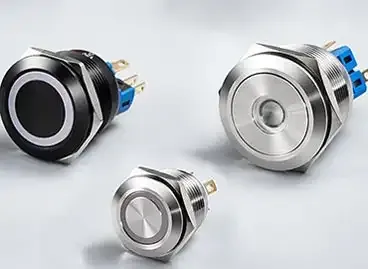
Capacitive detection precisely senses changes in an electric field, whereas resistive touch relies on pressure-induced contact between layers. Each technology presents distinct trade-offs in terms of durability, cost, and accuracy, making the choice critical for specific applications.
Get a quote for custom capacitive switches from Langir
How Capacitive Touch Detection Differs from Resistive Touch
Capacitive panels measure minute pF-level changes when a conductive object approaches, offering inherent multi-touch capability and completely eliminating mechanical wear. In contrast, resistive layers register touch only when physical force deforms two conductive films, necessitating a flexible overlay and typically providing only single-point input.
Advantages of Capacitive Switches Over Resistive Alternatives
Key advantages that position capacitive switches as a superior choice include:
- Enhanced surface durability, as there are no flexing layers to wear out.
- Superior responsiveness and robust multi-touch support.
- Significantly easier and more effective sealing to achieve high IP ratings.
- Lower long-term maintenance requirements and substantially higher lifecycle counts.
These compelling benefits strongly favor industrial contexts where hygiene, reliability, and longevity are paramount.
When to Choose Capacitive Switches Over Mechanical or Resistive Options
Opt for capacitive technology when your application critically requires:
- Contactless activation to rigorously prevent contamination.
- Hermetically sealed interfaces for wash-down environments or chemical exposure.
- Exceptional cycle-count durability with minimal maintenance demands.
- Modern HMI aesthetics, complete with sophisticated backlighting and gesture support.
In scenarios where ruggedness, hygiene, and advanced functionality are top priorities, capacitive solutions consistently deliver superior performance compared to traditional alternatives.
Best Practices for Integrating Capacitive Switches with Industrial Systems
Achieving seamless integration with PLCs and industrial controllers demands meticulous attention to interface protocols, adherence to wiring standards, and strict compliance with industrial certifications. This ensures reliable and consistent operation within complex automation networks.
Connecting Capacitive Switches to PLCs and Industrial Controllers
Utilize standard GPIO, I²C, or SPI lines to effectively link the capacitive controller IC to PLC I/O modules. Always respect specified voltage levels (3.3 V or 5 V) and, where required by safety regulations, incorporate opto-isolators or buffer ICs for essential galvanic isolation.
Common Communication Interfaces for Capacitive Switches
Capacitive modules frequently support a range of communication interfaces, including:
- Simple GPIO pulses or straightforward on/off signals for basic control.
- I²C for efficient communication with multiple-key panels over just two wires.
- SPI for high-speed scanning capabilities and advanced diagnostic functions.
Selecting the appropriate interface minimizes wiring complexity and facilitates straightforward integration with your existing PLC systems.
Ensuring Long-Term Reliability and Compliance in Industrial Environments
Adhere rigorously to industry standards such as IEC 61000-4-2 for ESD immunity and IEC 60529 for ingress protection. Implement periodic firmware updates to maintain optimal debounce logic and recalibrate sensitivity as needed. Scheduled maintenance checks of electrical connections and overlay integrity are crucial for upholding certified performance over extended periods.
Expertly designed and manufactured, capacitive push button interfaces represent a future-proof solution for industrial HMIs that demand unparalleled precision, enduring durability, and uncompromising hygiene.
Capacitive switches eliminate all moving parts, thereby extending lifespan, simplifying sealing, and enabling advanced user experiences. By diligently following these comprehensive design, build, and integration guidelines—and by leveraging Langir’s specialized customization and bulk-manufacturing expertise—you can confidently deploy highly reliable, high-performance touch interfaces precisely tailored to your most demanding industrial applications. For personalized support and competitive volume quotes, we encourage you to request a custom capacitive switch quote today.
 EN
EN  FR
FR  PL
PL  PT
PT  ES
ES  JA
JA  RU
RU  AR
AR  IT
IT  NL
NL  TR
TR  KO
KO  DE
DE