EN
EN

Have you ever found yourself struggling with traditional car keys when you’re in a hurry? Push start technology offers a modern solution that gets you on the road faster. In this article, you’ll learn about how push start systems operate, the key components involved, and the benefits they provide. By understanding push start mechanisms, you’ll see how they simplify starting your vehicle while reducing wear on the engine. If you’ve experienced frustrations with older ignition methods, this content will help you appreciate the smooth convenience of systems like those from Ford Motor Company, and even explore anti-vandal push button options.
Understanding the Basics of Push Start Technology
Push start technology from contact Langir simplifies how you start your vehicle. With a smart key, you just need to push an anti-vandal push button while pressing the brake, eliminating the need for a traditional ignition system. This marks a shift from older starter methods, especially in manual transmission vehicles, offering a seamless experience for modern drivers.
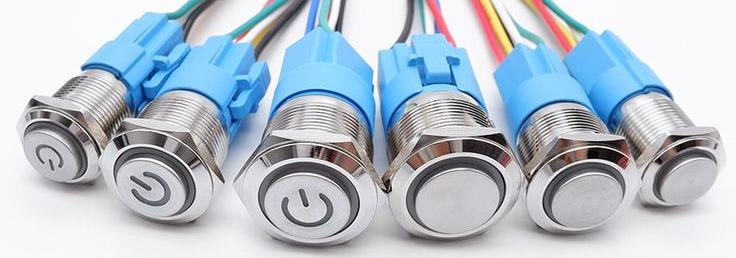
Get a quote for custom starter buttons from Langir
Defining Push Start and Key Fob Functions
Push start technology transforms the traditional way you start your vehicle, especially with automatic transmission systems. By using a key fob, you just press a button while stepping on the brake pedal, engaging the vehicle’s electrical systems. This feature often works hand-in-hand with the alternator, ensuring that your battery charges efficiently and provides the necessary power, making the whole process smooth and hassle-free.
Differentiating Traditional Ignition Systems From Push Start
When comparing traditional ignition systems to push start technology in your vehicle, it’s clear that the latter offers a more user-friendly experience. Instead of fumbling with a key, you simply push a button while engaging the parking brake, initiating the fuel injection process effortlessly. This modern setup not only simplifies starting but also ensures your vehicle’s pump is activated quickly, helping to bring your engine to life with less hassle.
How Push Start Systems Operate
The engine start/stop button is crucial in push start systems, initiating the vehicle’s electrical processes. When you push the button, it sends a signal to engage the fuel pump and ignition systems, preparing the engine—whether it’s gasoline or a diesel engine. Additionally, safety measures are built in to ensure a hassle-free experience as mandated by the National Highway Traffic Safety Administration, keeping your ride smooth and secure.
The Role of the Engine Start/Stop Button
The engine start/stop button plays a vital role in your vehicle’s push start system. When pressed, it sends the necessary voltage to the vehicle’s electrical systems, allowing the crankshaft to begin turning and the engine to start. This button also activates essential components, such as the catalytic converter, ensuring that everything operates smoothly, even in challenging conditions like snow.
Step-by-Step Process of Starting the Vehicle
Starting your vehicle with push start technology is a breeze when you understand the steps involved. First, ensure you have the smart key within reach and press the brake pedal. Then, simply push the start button, which signals the vehicle’s electrical systems to wake up, engaging components like the fuel pump and ignition. This sequence allows your Chrysler or any modern vehicle to come alive effortlessly, activating safety features to prevent accidental starts and ensuring a smooth drive ahead.
- Ensure the smart key is inside the vehicle.
- Press the brake pedal.
- Push the start button.
- Engage the vehicle’s electrical systems.
- Start your engine and enjoy the ride.
Safety Measures Assured by Push Start Technology
Push start technology includes several safety measures that ensure a smooth driving experience while reducing the risk of mishaps. For instance, the system establishes communication between components like the spark plug and fuel pump, enabling the engine to start only when specific conditions are met. This feature minimizes the chances of accidental starts, helping you maintain control while also making roadside assistance easier if any issues arise.
Components of Push Start Systems in Vehicles
Understanding the components of push start systems helps you appreciate how modern vehicles like the Subaru Forester operate. Key fob features and functions allow seamless engagement, while the electronic ignition system plays a critical role in starting. Furthermore, you’ll see how the communication between the key and vehicle enhances reliability and simplifies troubleshooting, especially in luxury cars under warranty.

Get a quote for custom starter buttons from Langir
Key Fob Features and Functions
Your key fob is like the magical wand of modern vehicles, especially in models like the Mazda6. When you press it, you’re not just turning the ignition; you’re telling the car to wake up and get ready to roll, all while keeping an eye on the revolutions per minute for that smooth launch. It’s that simple, really. You push a button, and voilà—the car springs to life, ready for whatever the road throws your way without the hassle of fumbling for a key.
Exploring the Electronic Ignition System
The electronic ignition system is a key player in the push start technology you see in many new vehicles. When you push that button, this system communicates with various engine components to ensure everything is ready to go. For example, it sends voltage to the spark plugs, igniting the fuel and getting your engine humming without the fuss of an old-school ignition system. This seamless interaction not only makes starting your vehicle easier but also boosts overall reliability, which is a big win for anyone who depends on their car every day.
Understanding the Communication Between Key and Vehicle
When you use your key fob to start your vehicle, there’s a lot happening behind the scenes. The key communicates wirelessly with the car’s system, sending a unique code that confirms it’s you trying to start the vehicle. If the code checks out, the system activates, engaging the ignition and fuel systems to get your engine going—no keys, no fuss. So, the next time you hop in and push that button, just know that little electronic handshake has got your back, connecting you and your ride seamlessly.
Benefits of Push Start Mechanisms
Push start mechanisms bring several advantages to modern driving. You’ll discover how they offer convenience, enhancing your daily routine by simplifying the starting process. Additionally, they include improved security measures that safeguard your vehicle compared to traditional keys. Plus, gain insights into fuel efficiency and emissions reductions, making every drive more eco-friendly. Let’s dive into each benefit further.
Convenience Factors in Modern Driving
With push start mechanisms in modern vehicles, convenience is taken to a whole new level. You no longer have to fumble with keys while juggling your coffee or your bag. Just slip into the driver’s seat, press the brake, and push that button; it’s quick, easy, and makes those rushed mornings a lot smoother.
Enhanced Security Measures Compared to Traditional Methods
Push start technology brings a new level of security compared to traditional ignition systems. With key fobs that use encrypted signals, not just anyone can jump in and start your vehicle. That added layer of protection helps you feel more at ease, especially in busy areas where theft can be a concern.
Fuel Efficiency and Emissions Considerations
Push start mechanisms can contribute positively to fuel efficiency and reduce harmful emissions in modern vehicles. By ensuring your engine starts promptly and efficiently, these systems minimize unnecessary fuel consumption, which can happen with traditional ignition systems. You gain not only better control over your vehicle’s starting process but also an eco-friendlier driving experience, which can lead to savings at the pump:
Addressing Common Questions About Push Start
If your push start fails, knowing what steps to take is essential. You’ll want to consider any risks involved, as well as how compatible push start systems are with various vehicle models. These factors can help you troubleshoot effectively and understand the implications of this modern technology. Let’s break down each topic for better clarity and practical guidance.
What to Do if the Push Start Fails
If your push start system fails, it’s important to stay calm and troubleshoot. Begin by checking your key fob battery; if it’s low, your vehicle may not recognize it. If that’s not the issue, ensure you have your foot firmly on the brake pedal while pressing the start button, as this is crucial for the system to engage:
Are There Any Risks Involved?
When it comes to push start systems, there are a few risks worth noting. First off, if your key fob battery is low or dead, you might find yourself stuck in the parking lot wondering why your car won’t start. Plus, if the brake pedal isn’t fully engaged, the push start won’t respond, which can be frustrating. Being aware of these little quirks can save you some headaches and keep your drive hassle-free.
Compatibility With Different Vehicle Models
When it comes to compatibility, push start systems are designed to work with a variety of vehicle models, but there are some differences that you should be aware of. Most modern cars, especially those with automatic transmissions, use push start technology, which can be an upgrade from traditional ignition systems. However, if you’re looking to install a push start system in an older model or one that lacks this feature, it’s crucial to check whether it’s adaptable. You want to ensure that your vehicle’s wiring and security system can support this convenience:
Future Trends in Push Start Technology
Innovations in push start technology are shaping the future of how you start your vehicle. Expect smarter systems that enhance convenience, integrating seamlessly with your smartphone. The focus on sustainability also means push start features could lower environmental impact by improving fuel efficiency. Let’s explore these exciting advancements, their role in smart technology, and their environmental implications.
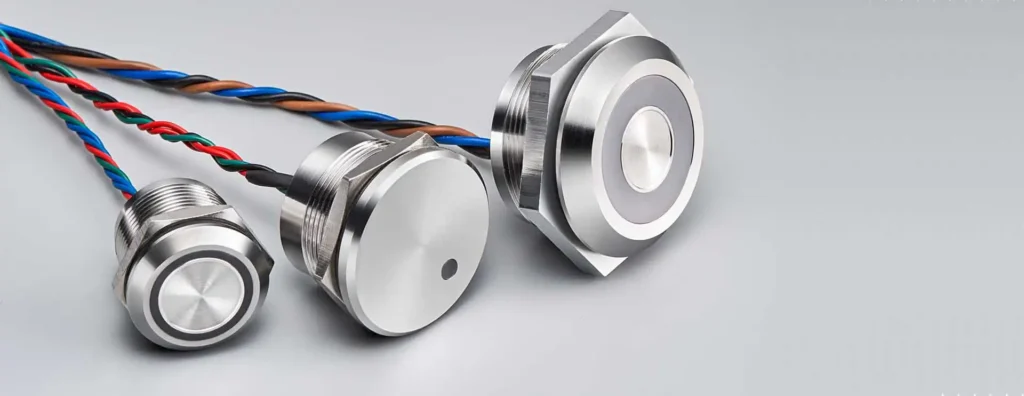
Get a quote for custom starter buttons from Langir
Innovations to Expect in Upcoming Automobiles
As push start technology continues to evolve, expect to see features that integrate even more seamlessly with your smartphone. Imagine controlling your vehicle’s ignition, security systems, and diagnostics right from your pocket. With advancements in Bluetooth and app technology, cars will not just respond to the push of a button but also allow for remote starting and monitoring—making your driving experience smoother and more convenient.
- Integration with smartphone apps for remote access
- Enhanced security features with advanced encryption
- Improved fuel efficiency through smarter ignition systems
The Role of Smart Technology in Vehicle Start Systems
Smart technology is changing how you interact with push start systems in your vehicle. Picture this: with just a tap on your smartphone, you can not only start your car but also check your fuel levels and even monitor your vehicle’s health. This level of integration brings convenience right to your fingertips, ensuring that you’re always in control of your ride, and it can save you from those “uh-oh” moments when you forget to turn off the headlights.
Environmental Impact and Sustainability of Push Start Features
Push start technology in modern vehicles helps reduce environmental impact by promoting better fuel efficiency and lowering emissions. By ensuring the engine starts promptly and operates smoothly, these systems prevent fuel wastage, contributing to a cleaner driving experience. As this technology evolves, the integration with smart systems further enhances its sustainability, making vehicles not just smarter but also greener:
- Push start technology aligns with eco-friendly driving initiatives.
- Improved fuel efficiency leads to less frequent refueling.
- Sustainable innovations are on the rise for future vehicles.
Frequently Asked Questions
What is the basic concept behind push start technology in vehicles?
Push start technology in vehicles allows drivers to start their engines with a button instead of a traditional key. This system enhances convenience and security, as it typically requires a proximity key fob to operate effectively.
How do push start systems actually work during vehicle ignition?
Push start systems utilize a button to engage the ignition process. When pressed, the system activates the starter motor, sending power to the engine and allowing it to start without a traditional key turn, enhancing convenience and modernity in vehicles.
What are the main components of push start systems?
Push start systems typically consist of a push button switch, an ignition control module, relays for power management, and a battery connection. These components work together to enable the vehicle to start seamlessly with the push of a button.
What advantages do push start mechanisms offer to drivers?
Push start mechanisms offer drivers convenience, improved security, and enhanced ignition efficiency, allowing for a seamless and quick start. These systems eliminate the need for traditional keys, making it easier to start vehicles with just the push of a button.
What common issues arise with push start technology in cars?
Common issues with push start technology in cars include battery depletion, faulty starter switches, and problems with the key fob or signal. These can lead to difficulties starting the engine and may require prompt repairs or battery replacements.
 EN
EN  FR
FR  PL
PL  PT
PT  ES
ES  JA
JA  RU
RU  AR
AR  IT
IT  NL
NL  TR
TR  KO
KO  DE
DE