EN
EN

Testing a DC circuit breaker helps keep electrical systems safe and working as intended. This guide takes you through the exact steps to test a DC breaker using a multimeter — from safety checks and the right tools to interpreting readings and common fixes. Whether you’re a qualified electrician or a skilled DIYer, these procedures will help you diagnose issues reliably and decide when a breaker needs servicing or replacement. We also highlight how Langir products can simplify testing and maintenance.
What Safety Precautions Should You Follow Before Testing a DC Circuit Breaker?
Safety comes first. Before you touch a breaker, follow proper procedures to minimize risk and make testing straightforward.
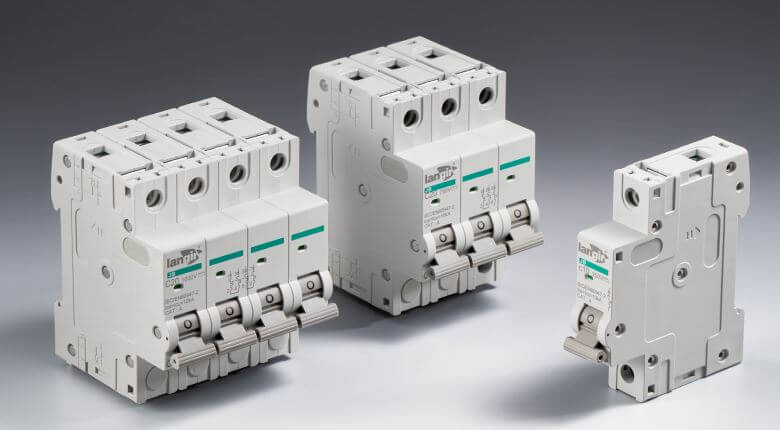
Get a quote for custom DC circuit breakers from Langir
Which Personal Protective Equipment Is Essential for Electrical Safety?
Use appropriate PPE whenever you work on electrical equipment. Core items are:
- Insulated gloves: Prevent electric shock when handling live or recently de-energized parts.
- Safety glasses: Protect your eyes from sparks, debris, or accidental arcing.
- Hard hat: Required whenever there’s a risk of falling objects or overhead work.
Wearing the right PPE reduces injury risk while you inspect and test components.
How to Properly De-energize and Lockout Circuits Before Testing?
Follow a lockout/tagout routine every time you work on a circuit:
- Turn off power: Open the breaker or disconnect the supply at the source.
- Apply lockout devices: Use locks and tags so the circuit can’t be re-energized accidentally.
- Verify de-energization: Confirm the circuit is dead with your multimeter before touching terminals.
These steps protect you and anyone else who may be near the equipment.
What Tools Are Required to Test a DC Circuit Breaker with a Multimeter?
Accurate testing depends on using the right instruments and knowing how to use them.
How to Select and Use a Digital Multimeter for Voltage, Resistance, and Continuity Tests?
A quality digital multimeter is the core tool. Practical guidance:
- Choose a reliable model: Prefer brands known for accuracy and safety; pick a meter rated for your system voltage.
- Set the meter correctly: Select DC voltage for live checks, resistance or continuity for contact tests.
- Connect probes safely: Make solid probe contact at the breaker terminals and observe proper probe polarity.
A multimeter lets you confirm voltage presence, measure contact resistance, and verify continuity for quick, dependable diagnostics.
Beyond basic multimeters, portable multifunction testers are emerging that combine continuity, voltage/current measurement and built-in lighting to speed up field diagnostics.
Portable Multifunction Tester for Circuit Diagnostics
The paper describes a single portable device that checks continuity on single and multi‑wire cables, measures current and voltage, and provides illumination for the work area. Error states are shown on an LCD and indicated with audible alerts. Because it tests without dismantling circuits, the device supports non‑destructive troubleshooting and rapid fault identification.
What Additional Tools Enhance Advanced DC Circuit Breaker Testing?
For deeper analysis, add these instruments:
- Insulation resistance tester: Verifies the integrity of insulation and detects leakage paths.
- Contact resistance tester: Measures resistance across breaker contacts to reveal wear or poor connections.
These tools uncover problems a standard multimeter might miss and help you decide whether a breaker needs repair or replacement.
How Do You Perform Step-by-Step Testing of a DC Circuit Breaker Using a Multimeter?
Work methodically for consistent, safe results. Break the process into inspection, live checks, and contact testing.
How to Conduct a Visual Inspection for Physical Damage and Loose Connections?
Start with a close visual check to catch obvious faults:
- Check for cracks: Examine the breaker housing for physical damage or deformation.
- Inspect connections: Ensure terminals and wiring are tight and free of corrosion.
- Look for burn marks: Discoloration or charring indicates overheating or arcing.
A careful visual inspection often points you to the next diagnostic step.
What Are the Procedures for Voltage and Continuity Tests on DC Circuit Breakers?
Use your multimeter to verify circuit condition:
- Voltage test: With the circuit energized and measured safely, set the meter to DC voltage and measure across the breaker terminals. A reading near the system voltage indicates the supply is present.
- Continuity test: With the breaker ON and power isolated where required, switch to continuity or low‑ohms mode and check across the contacts. A beep or a low resistance value shows the contacts are conducting.
Combine visual and electrical checks to confirm the breaker’s operational state.
How to Interpret Multimeter Readings for DC Circuit Breaker Diagnostics?
Know what the numbers mean so you can decide on repair, cleaning, or replacement.

Get a quote for custom DC circuit breakers from Langir
What Do Different Voltage and Resistance Values Indicate About Breaker Condition?
Typical interpretations:
- Normal voltage reading: Confirms the circuit is supplied and the breaker can pass voltage when closed.
- High resistance reading: Elevated contact resistance suggests wear, contamination, or loose connections and may require cleaning or replacement.
Use these readings alongside physical inspection to assess component health.
How to Identify Faulty Breakers Through Continuity and Voltage Measurements?
Common diagnostic signs:
- No continuity: If the meter shows open circuit while the breaker is supposed to be closed, the breaker contacts are likely faulty and replacement is required.
- Inconsistent voltage readings: Fluctuating or partial voltage under load points to internal contact problems or intermittent failure.
When measurements and observations disagree, prioritize safety and consult a technician if needed.
What Are Common Troubleshooting Scenarios and Solutions for DC Circuit Breakers?
These practical checks cover frequent problems and how to approach them.
How to Diagnose Frequent Tripping and No Power Issues?
To find the cause of nuisance tripping or power loss:
- Check load conditions: Verify the connected load does not exceed the breaker’s rated capacity.
- Inspect for short circuits: Look for damaged insulation, loose conductors, or wiring faults that could create a short.
- Test the breaker: Measure the breaker’s continuity and contact resistance as described earlier to rule out internal failure.
Working through these steps narrows down whether the issue is the load, the wiring, or the breaker itself.
When Should You Replace a DC Circuit Breaker or Consult a Professional?
Replace or escalate when:
- Signs of wear: Visible damage, burning, or failed tests indicate replacement.
- Uncertain diagnosis: If readings are ambiguous or the system is critical, call a qualified electrician or service professional.
Timely replacement or expert intervention prevents repeated failures and unsafe conditions.
How Do Langir JB Series DC Circuit Breakers Integrate with Testing and Customization?
Langir designs breakers to be test‑friendly and reliable in real installations.
What Features of Langir JB Series Facilitate Reliable Testing and Protection?
The Langir JB Series DC circuit breakers include features that simplify testing and protect equipment:
- Advanced protection mechanisms: Built‑in overload and short‑circuit protection helps prevent equipment damage.
- User‑friendly design: Accessible terminals and clear markings make inspection and testing quicker and safer.
Those design choices reduce downtime and make maintenance more predictable.
How to Access Customization Services and Bulk Orders for Industrial Applications?
Langir supports tailored solutions and volume procurement for projects:
- Contact Langir Electric: Reach out to discuss specifications and application requirements.
- Bulk order options: Ask about pricing, lead times, and customization for large installations.
Our team can help match product features to your operational needs and delivery schedule.
How to Test a DC Circuit Breaker with a Multimeter | FAQs
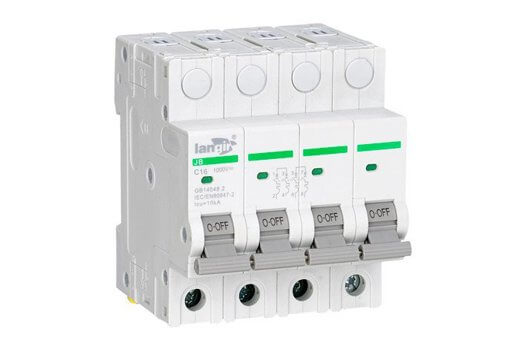
Get a quote for custom DC circuit breakers from Langir
What are the signs that a DC circuit breaker needs to be replaced?
Replace a breaker if it trips repeatedly under normal load, shows visible damage or overheating, won’t reset, or fails continuity/voltage tests. Any combination of these signs means the breaker is no longer reliable and should be replaced to protect the system.
Can I test a DC circuit breaker without a multimeter?
You can perform basic visual checks for damage, loose wires, or burn marks without a multimeter. But for accurate voltage, resistance, and continuity checks you need a multimeter — it’s the only practical tool for reliable electrical diagnostics.
How often should I test my DC circuit breakers?
As a rule, test breakers at least once a year during routine maintenance. Increase the frequency if the circuit sees heavy use, frequent faults, or repeated tripping to catch wear before it causes failure.
What should I do if my multimeter gives an unexpected reading?
If readings look wrong, first verify the meter on a known good circuit and check probe connections and settings. If the meter is confirmed good but results remain inconsistent, investigate the circuit for wiring faults or contact a qualified technician.
Are there specific brands of multimeters recommended for testing DC circuit breakers?
Choose a meter from reputable manufacturers known for accuracy and safety, such as Fluke, Klein Tools, or Extech. Pick a model rated for the voltages you work with and with features for DC voltage, continuity, and low‑ohms resistance testing.
What is the importance of using insulation resistance testers in circuit breaker diagnostics?
Insulation resistance testers identify degraded insulation and leakage paths that a standard multimeter might miss. Using one helps prevent shorts and unexpected faults by revealing insulation problems early.
How can I ensure the longevity of my DC circuit breakers?
Regular inspection and testing, clean and secure connections, correct sizing for the load, and avoiding repeated overloads will extend breaker life. Choose quality breakers designed for your application and replace units that show wear.
Conclusion
Testing DC circuit breakers with a multimeter is a straightforward way to confirm safety and performance. Follow the safety steps, use the proper tools, and interpret readings with the checks described here. For tougher cases or customization, Langir offers products and support to streamline maintenance and protect your installations. Visit Langir Electric for product details and technical assistance.
 EN
EN  FR
FR  PL
PL  PT
PT  ES
ES  JA
JA  RU
RU  AR
AR  IT
IT  NL
NL  TR
TR  KO
KO  DE
DE