EN
EN

Production halted by failing buttons? Capacitive switches offer a robust solution, eliminating mechanical wear by sensing touch through capacitance changes, ensuring unwavering reliability in the toughest industrial settings. This guide delves into the operational principles of capacitive switches, highlights their significant industrial advantages, showcases diverse real-world applications, compares them with alternative technologies, explores customization possibilities, and provides essential maintenance insights—all while demonstrating how Langir’s scalable and custom solutions empower your manufacturing success.
How Capacitive Switches Operate: Unveiling the Capacitance Principle and Core Components
Capacitive switches detect touch by precisely measuring alterations in an electric field when a conductive object, such as a finger, approaches. This variation in capacitance is then converted into a clean, contactless signal, enabling highly accurate control. Fundamentally, capacitance—the capacity of two conductive plates to store electrical charge—serves as the core sensing mechanism, adeptly differentiating intentional touch from ambient interference. For instance, as a finger nears the sensing electrode, the capacitance between the electrode and ground increases, activating the switch without any mechanical movement, thereby guaranteeing exceptional long-term reliability.
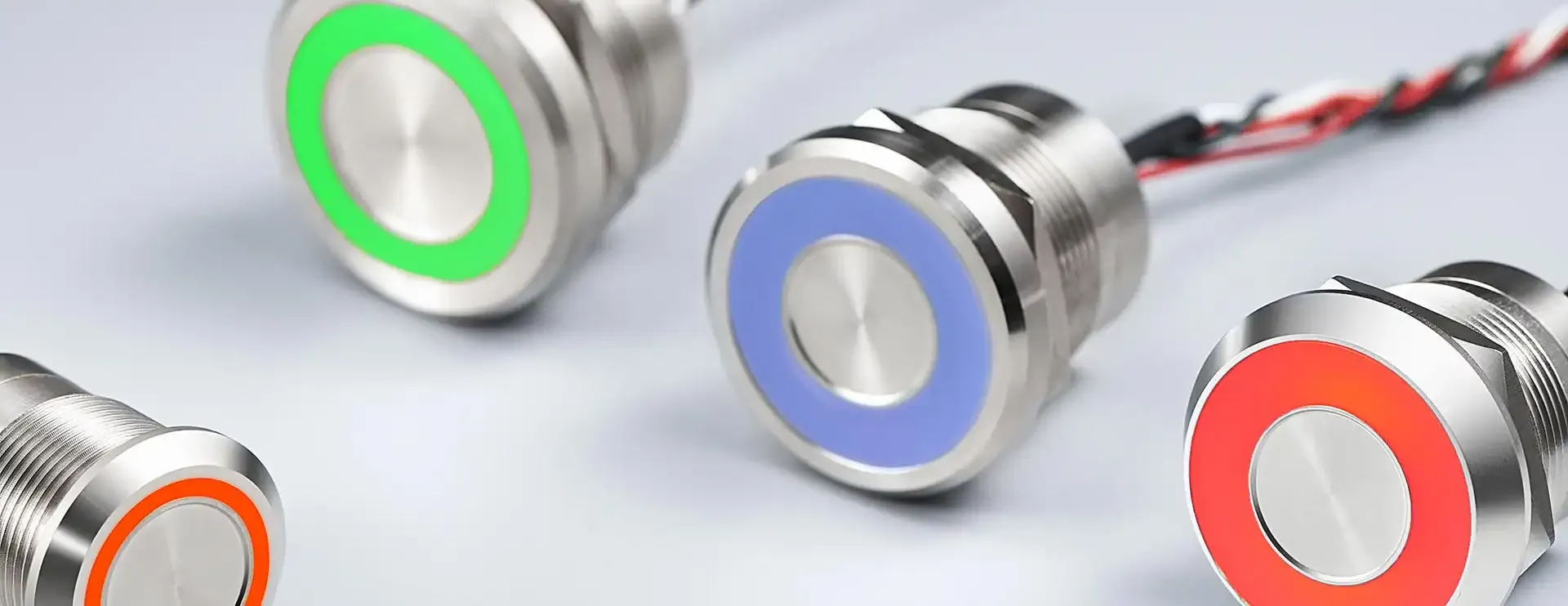
Get a quote for custom capacitive switches from Langir
Capacitance: The Foundation of Touch Detection
Capacitive switches operate by sensing changes in capacitance, which defines a system’s capacity to store electrical charge. When a conductive object, like a human finger, approaches the sensing electrode, the capacitance rises, activating the switch without any mechanical components, thereby ensuring superior long-term reliability.
Jones, A., “Capacitive Sensing Technology” (2022)
This foundational research underscores how capacitance facilitates touch detection, a principle central to the operational integrity of capacitive switches discussed herein.
Defining Capacitance and Its Role in Touch Detection
Capacitance quantifies the electrical charge a pair of conductors can store at a specific voltage. It facilitates touch detection by altering this stored charge as a finger or stylus approaches the sensing electrode. Conceptually, two parallel plates form a capacitor where charge varies proportionally with their area and separation. When a human finger bridges this gap, the effective capacitance increases. The detection circuit then compares this change against a predefined threshold to register a touch, ensuring rapid, noise-resistant activation.
Key Components of a Capacitive Switch: Electrodes, Control Circuits, and Protective Layers
A capacitive switch is engineered from three primary components that synergistically detect touch and initiate activation:
- A sensing electrode, precisely printed on a flexible or rigid circuit board, serving as one plate of the capacitor.
- A sophisticated control circuit, engineered to accurately measure capacitance variations and debounce signals for flawless switching.
- A durable protective overlay (available in glass, plastic, or stainless steel) that safeguards the electrode while offering a refined, ergonomic finish.
These integrated layers form a robust, sealed, and intuitive interface, engineered to withstand harsh environmental challenges while delivering exceptional sensitivity and enduring durability for demanding industrial applications.
Electric Field Dynamics: Activation by Human Touch or Conductive Objects
When a conductive object nears the overlay, it disrupts the stable electric field maintained between the sensor electrode and the ground plane, thereby increasing the local capacitance. The control circuit continuously monitors this field, and upon the capacitance exceeding a predefined threshold, the switch activates. This non-contact sensing approach guarantees consistent actuation, even if the overlay is scratched, wet, or coated, rendering it perfectly suited for the most challenging industrial environments.
Capacitive vs. Mechanical Switches: Understanding Operational Distinctions
Capacitive switches operate on the principle of electrical field changes and solid-state signal processing, contrasting sharply with mechanical switches that depend on physical metal contacts closing under applied pressure. The following table outlines their fundamental distinctions and practical implications:
The absence of moving components inherently eliminates common mechanical failure points, enabling truly maintenance-free operation and seamless integration into advanced automated systems.
Key Advantages of Capacitive Switches in Industrial Environments
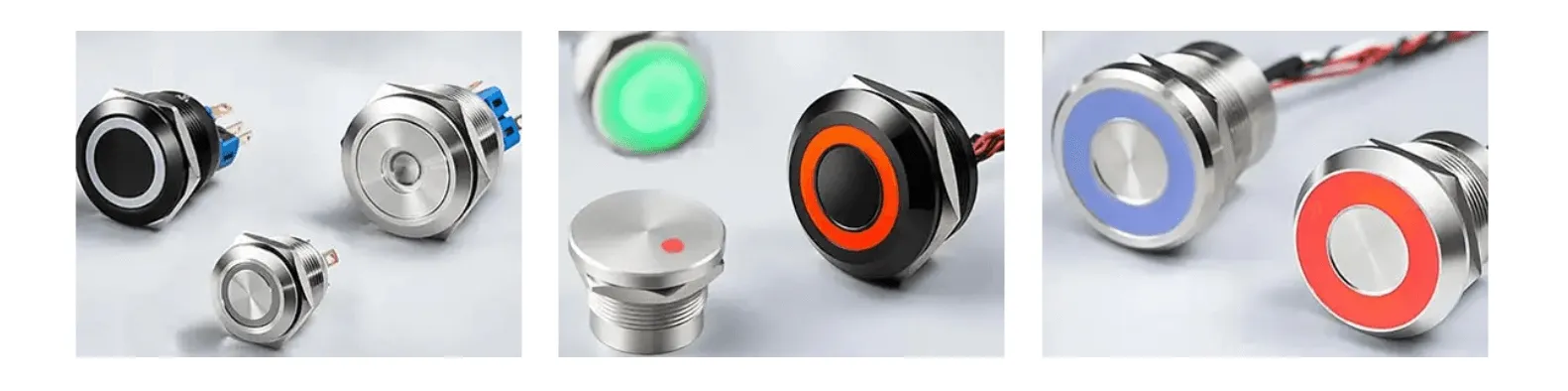
Get a quote for custom capacitive switches from Langir
Core Advantages of Capacitive Switches
Capacitive switches present significant advantages over traditional mechanical switches, notably an extended operational lifespan attributed to their solid-state design. They also deliver superior environmental resistance, effortless cleaning, and require minimal activation force, rendering them exceptionally well-suited for a diverse range of demanding industrial applications.
Smith, B., “Industrial Switch Technologies” (2023)
This study corroborates the article’s assertions regarding the inherent benefits of capacitive switches, particularly their exceptional durability and environmental resilience—critical advantages for industrial deployment.
Below is a detailed breakdown of their fundamental strengths:
The Superior Durability of Capacitive Switches Over Mechanical Counterparts
Devoid of springs, plungers, or metal domes susceptible to wear, capacitive switches inherently eliminate friction and contact degradation. Their solid-state sensing elements ensure consistent, reliable performance across tens of millions of operations, providing predictable switching free from bounce or signal drift.
Capacitive Switches: Engineered for Resistance to Dust, Moisture, and Chemicals
Encased behind robust glass, plastic, or stainless steel overlays, capacitive switches achieve IP67 or even higher ingress protection, effectively preventing the penetration of particles and fluids. Their inert sensing electrodes and rugged circuit boards are designed to withstand exposure to solvents, oils, and corrosive agents, guaranteeing unwavering functionality in the most demanding conditions.
Simplified Cleaning and Maintenance with Capacitive Switches
Their smooth, flush-mounted surfaces facilitate effortless wipe-down cleaning with standard alcohol or detergents, without any risk of switch damage. The design’s inherent lack of recesses or gaps prevents dirt accumulation, significantly reducing maintenance downtime and upholding stringent hygiene protocols in critical medical or food-processing environments.
Enhancing User Experience Through Low Activation Force
Highly sensitive detection circuitry registers even the lightest touch—frequently below 10 grams of force—effectively eliminating operator finger fatigue during repetitive tasks. This ensures operators experience consistent, instantaneous feedback, which significantly boosts productivity and minimizes errors within industrial settings.
Capacitive Switch Applications: Industrial, Medical, and Automotive Sectors

Get a quote for custom capacitive switches from Langir
Integration of Capacitive Switches in Industrial Control Panels and HMIs
Within industrial control panels, capacitive buttons deliver wear-free user inputs for critical functions such as start/stop commands, mode selection, and emergency shutdowns. Their robust sealed design and consistently repeatable actuation render them ideal for human-machine interfaces (HMIs) in advanced automation cells and SCADA systems.
The Role of Capacitive Switches in Medical Equipment
Medical consoles and diagnostic instruments leverage capacitive switches for sterile operation, enabling clinicians to activate functions seamlessly, even through gloves or protective films. Their uniform sensitivity and effortless cleaning capabilities are crucial for maintaining stringent hygiene standards.
Capacitive Switches in Automotive Interface Design
Automotive dashboards integrate capacitive buttons for intuitive climate controls, advanced infotainment systems, and steering-wheel functions. Their inherent resistance to vibration, extreme temperature fluctuations, and moisture guarantees consistent, reliable performance throughout the vehicle’s operational lifespan.
Operating Capacitive Switches Through Glass or Plastic Surfaces
Absolutely. Capacitive switches are engineered to reliably detect touches through non-conductive overlays, even those several millimeters thick. This capability allows for highly customizable aesthetics and robust protective glazing without compromising touch responsiveness.
Capacitive Switches vs. Other Technologies: Mechanical, Resistive, and Piezo
A comparative analysis of capacitive switches against mechanical, resistive, and piezo technologies highlights distinct differences in durability, sensitivity, and optimal industrial applications.
Key Distinctions Between Capacitive and Mechanical Switches
Capacitive switches respond to subtle changes in an electric field, rather than requiring physical contact, which results in consistent actuation force and eliminates signal bounce. Conversely, mechanical switches demand deliberate physical pressure and are susceptible to contact wear and fluctuating performance over time.
Differentiating Capacitive Switches from Resistive and Piezo Technologies
Resistive switches necessitate applied force to collapse conductive layers, rendering them slower and less robust in contaminated environments. Piezo switches, conversely, generate voltage from crystal deformation, providing high shock tolerance but generally offering a more limited operational lifespan compared to advanced capacitive designs.
Why Langir Capacitive Switches Stand Apart
Langir’s capacitive switches integrate robust IP-rated sealing, finely adjustable sensitivity, and optional LED backlighting within a compact, efficient form factor. Our rigorous testing protocols guarantee unwavering performance under severe shock, vibration, and extreme temperatures—a level of reliability and durability that conventional switch technologies simply cannot achieve.
Customizing Capacitive Switches for Unique Industrial Requirements
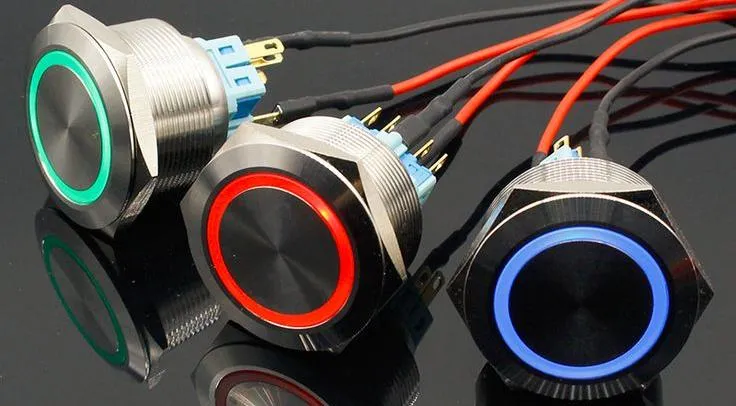
Get a quote for custom capacitive switches from Langir
Available Customization Options for Capacitive Switches
- Select button diameters ranging from 16 mm to 25 mm to perfectly suit diverse panel layouts.
- Choose from premium overlay materials including stainless steel, glass, or polycarbonate, balancing superior strength with desired aesthetics.
- Integrate vibrant colored LEDs or advanced electroluminescent backlighting for enhanced visibility in low-light conditions.
Langir’s Support for Bulk Orders and Tailored Solutions
Langir provides scalable production capabilities and competitive volume pricing for orders ranging from hundreds to thousands of units. Our dedicated in-house engineering team offers comprehensive support for custom overlays, precision silk-screen markings, and specialized firmware configurations. To discuss your specific project requirements or to request a quote, please contact us for bulk orders.
Benefits of Custom Capacitive Switch Designs in Harsh Environments
Tailored overlays, advanced IP-rated seals, and specialized circuit coatings provide unparalleled protection against extreme temperatures, corrosive chemicals, and rigorous washdowns. This ensures the switch maintains precise functionality even in conditions where standard off-the-shelf solutions would inevitably fail.
Troubleshooting and Maintenance for Capacitive Switches: A Practical Guide to Longevity
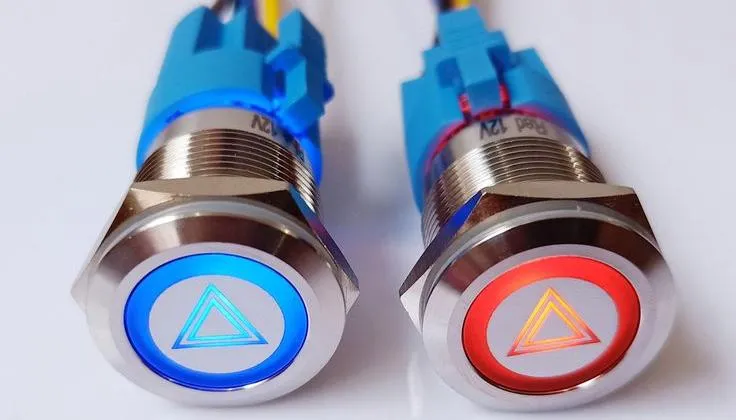
Get a quote for custom capacitive switches from Langir
Common Capacitive Switch Issues and Identification Methods
Typical issues include improperly calibrated sensitivity settings (either too high or too low), contamination on the overlay surface, or unstable power supply fluctuations. These can be identified by monitoring activation thresholds and visually inspecting the switch surface for any residue or physical damage.
Testing Capacitive Switch Sensitivity and Functionality
Sensitivity tests can be conducted by precisely adjusting the control circuit’s calibration parameters and simulating touches using appropriate conductive tools. Visual LED indicators or diagnostic outputs on evaluation boards provide clear confirmation of reliable switching thresholds.
Maintenance Practices for Extending Capacitive Switch Lifespan
- Regularly clean the overlay surface using isopropyl alcohol.
- Periodically inspect seals and edges for any signs of gaps or wear.
- Confirm secure ground connections to ensure stable and accurate capacitance measurements.
Consistent preventive maintenance is crucial for preventing false activations and preserving precise switch calibration throughout years of demanding operation.
Why Choose Langir for Your Capacitive Switch Solutions? Unmatched Expertise and Product Quality
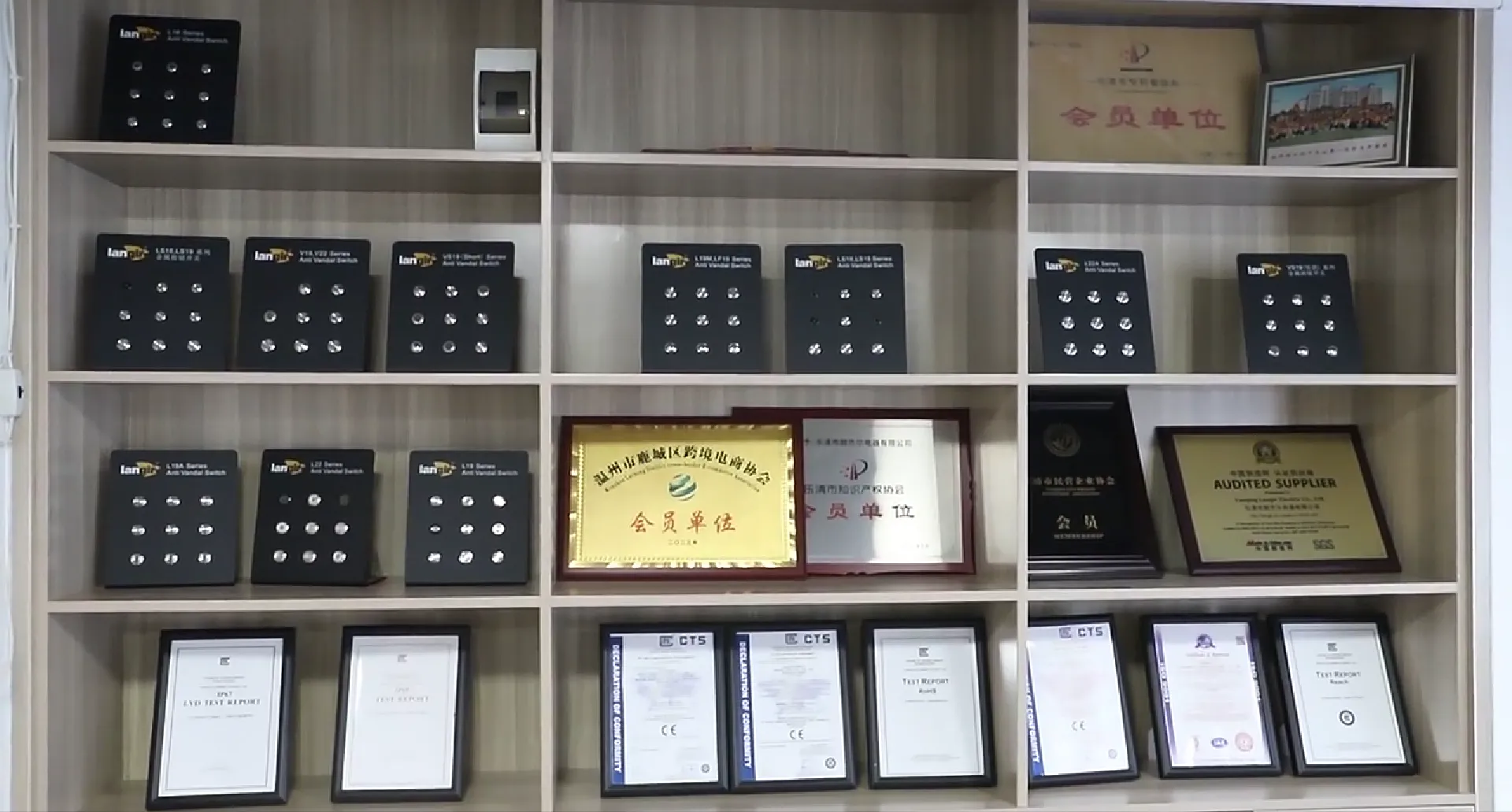
Get a quote for custom capacitive switches from Langir
Langir: A Leader in Industrial Capacitive Switch Manufacturing
Langir’s dedicated R&D team pioneers proprietary sensing algorithms and precision electrode designs, ensuring unparalleled consistency and performance. Our comprehensive in-house production capabilities guarantee stringent quality control from the initial raw materials through to final assembly.
Certifications and Quality Standards for Langir Switches
Langir capacitive switches adhere to rigorous CE, RoHS, UL, and IEC standards, with many models boasting IP67/IP68 ratings for superior water and dust resistance. These comprehensive certifications ensure seamless and safe integration into global industrial and medical systems.
Langir’s Commitment to High Durability and Performance
Every Langir switch undergoes extensive thermal cycling, rigorous vibration testing, and demanding 50 million-cycle endurance trials in certified laboratories. Comprehensive inspections and traceable serial numbers ensure that each unit’s performance is fully verifiable back to its original production batch.
Capacitive switches offer unparalleled durability, sensitivity, and environmental resilience, making them indispensable for demanding industrial applications. A thorough understanding of their operational principles and inherent advantages empowers engineers to optimize control panels, medical devices, and automotive interfaces. Langir’s comprehensive customization services and robust bulk order support simplify the process of specifying the perfect switch solution for any project. We invite you to contact us today to explore custom capacitive switch options and secure long-lasting, reliable performance for your next critical installation.
 EN
EN  FR
FR  PL
PL  PT
PT  ES
ES  JA
JA  RU
RU  AR
AR  IT
IT  NL
NL  TR
TR  KO
KO  DE
DE