EN
EN

Installing a 2‑pole DC circuit breaker is a basic but essential task for anyone working with DC systems, especially in solar and industrial settings. This guide walks you through the wiring process clearly and safely. A 2‑pole DC circuit breaker protects circuits from overloads and shorts, so correct installation is vital to keep systems reliable. Many mistakes happen during wiring — this article explains what a 2‑pole breaker does, shows step‑by‑step wiring, flags common errors, and outlines where these breakers are used.
A basic grasp of circuit behavior and common fault types makes it easier to see why proper breaker wiring matters.
Electrical Faults and Circuit Reliability
Electricity powers daily life, but it must be controlled to be safe. Every electrical design is a circuit, and predictable math governs how that circuit behaves. Kirchhoff’s laws require that voltages and currents around a closed loop balance; if they don’t, something is wrong. Ohm’s law links current, voltage and impedance (resistance, inductance and capacitance). Deviations—unexpected current rises or voltage drops—signal a fault that protection devices must address.
Circuit Breaker Testing and Calibration by Simulating Common Faults and Checking Reliability, 2025
What Is a 2‑Pole DC Circuit Breaker and Why Proper Wiring Matters?
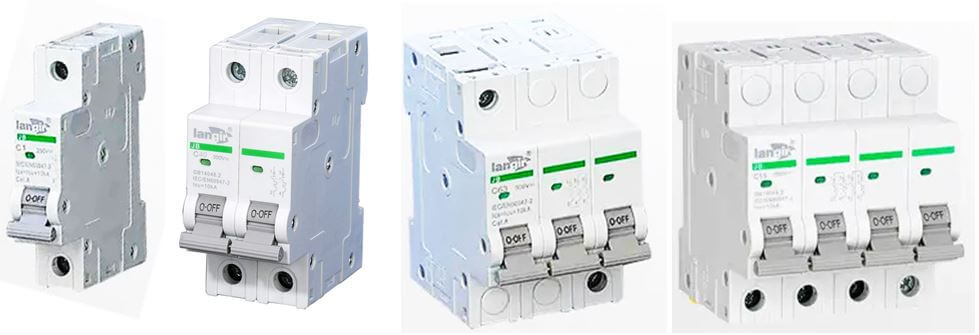
A 2‑pole DC circuit breaker is a protective device that simultaneously interrupts both DC conductors—typically the positive and negative—so the circuit is fully isolated. That dual‑pole isolation is critical in systems where safety and continuity matter, such as solar PV arrays and industrial control panels. Correct wiring prevents short circuits, reduces fire risk, and helps the breaker operate as designed.
Get a quote for custom DC circuit breakers from Langir
What Defines a 2‑Pole DC Circuit Breaker?
Key traits include the rated DC voltage and current the breaker can handle, and its interrupting (breaking) capacity. These breakers commonly cover ranges from 12V up to 1000V DC, serving small battery systems up to large photovoltaic and industrial installations. Choose a breaker whose voltage, current and breaking capacity match your system’s potential fault conditions.
Why Correct Wiring Improves Safety and Arc Suppression
Wiring a 2‑pole breaker correctly ensures both conductors open together, which reduces the chance of sustained arcing and protects downstream equipment. Proper installation—following manufacturer instructions and safety standards—reduces wear on contacts and lowers fire and equipment‑failure risk. Incorrect wiring can defeat arc suppression measures and cause serious damage.
How Do You Wire a 2‑Pole DC Circuit Breaker Correctly?
Wiring a 2‑pole DC breaker safely requires attention to detail and basic electrical practice. Follow the steps below and always consult local codes and the breaker’s datasheet.
Essential Safety Precautions Before Wiring
- De‑energize the system: Turn off the power and isolate energy sources before you begin.
- Use insulated tools: Work with tools rated for electrical use to reduce shock and short risks.
- Confirm zero volts: Verify absence of voltage with a reliable meter before touching conductors.
Step‑by‑Step Wiring Procedure for 2‑Pole DC Breakers
- Identify terminals: Note input (source) and output (load) terminals—terminals are usually labeled.
- Connect source conductors: Attach the positive and negative (or +/–) source wires to the input terminals. Ensure correct polarity and secure terminations.
- Connect load conductors: Connect the corresponding output wires to the load terminals, keeping polarity consistent.
- Inspect and test: Double‑check torque on terminals, confirm insulation and clearances, then restore power and verify normal operation. Watch for heat, unusual noise, or other signs of trouble.
Polarized vs. Non‑Polarized DC Circuit Breakers — What’s the Difference?
Polarized breakers require specific polarity on their terminals to function as intended. Non‑polarized breakers can be installed in either orientation. Choose polarized units where manufacturer guidance or system design depends on a defined conductor assignment; use non‑polarized breakers when orientation flexibility is needed.
How Polarity Affects Breaker Performance
Polarity matters because some internal mechanisms and test circuits assume a particular conductor order. Reversing polarity on a polarized breaker can prevent proper tripping or impair arc control. Non‑polarized breakers avoid that constraint but verify suitability for the application and voltage level before selecting one.
Identifying and Wiring Polarized vs. Non‑Polarized Breakers
Check terminal markings and the datasheet. For polarized breakers, connect positive and negative exactly as labeled. For non‑polarized units, either conductor can be connected to either pole—but still follow the manufacturer’s wiring and torque specifications.
Common Wiring Mistakes to Avoid When Installing 2‑Pole DC Breakers
Avoiding simple errors keeps systems safe and reliable. Take your time during installation and verification.
Get a quote for custom DC circuit breakers from Langir
How Reversed Polarity Impacts Breaker Function
If polarity is reversed on a polarized breaker, it may fail to trip under fault conditions or experience accelerated wear. That can allow damaging currents to persist, risking equipment and safety.
Other Frequent Installation Errors and How to Fix Them
- Loose connections: Always torque terminals to the manufacturer’s specification to prevent arcing and overheating.
- Incorrect sizing: Match the breaker’s voltage, continuous current rating and breaking capacity to your system—undersized breakers will fail to protect equipment.
- Ignoring codes: Follow local electrical codes and industry best practices; consult a licensed electrician when in doubt.
Where 2‑Pole DC Circuit Breakers Are Used: Solar and Industrial Systems
2‑pole DC breakers are common in solar PV arrays, battery systems and industrial DC control panels. Their ability to interrupt both conductors fast makes them well suited to environments where safety and uptime are priorities.
From large industrial installs to smaller residential systems, 2‑pole DC breakers provide a consistent layer of protection across many DC applications.
DC Circuit Breaker Applications in Industrial & Domestic Systems
DC circuit breakers—mechanical, solid‑state and hybrid types—are used across domestic and industrial systems that rely on direct current. They are particularly important in HVDC and other high‑voltage DC networks where protecting equipment from faults is critical.
Applications of various types of circuit breakers in electrical power systems: a review, PI Obi, 2021
Wiring 2‑Pole DC Breakers in Solar Photovoltaic Systems
In PV systems, breakers are typically placed between the panel/string output and the inverter or battery input. Proper placement and wiring let the breaker isolate the array during faults or maintenance, protecting both the panels and downstream electronics.
Industrial Applications and Wiring Considerations
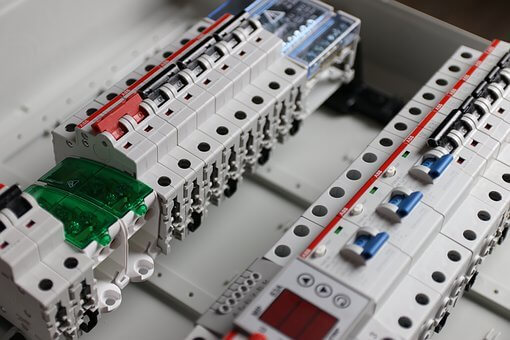
In industrial settings, 2‑pole DC breakers protect control panels, motor drives and battery banks. Consider system voltage, expected fault current, conductor sizes, and ambient conditions when specifying and wiring breakers to ensure safe, reliable performance.
Choosing the Right 2‑Pole DC Circuit Breaker and Customizing It
Selecting the correct breaker means checking a few key specs and planning for real‑world fault conditions. Proper selection reduces downtime and extends equipment life.
Technical Specifications to Consider
- Voltage rating: Verify the breaker’s maximum DC voltage matches your system.
- Current rating: Choose a breaker that can handle the system’s continuous current and occasional surges.
- Breaking capacity: Ensure the breaker’s interrupting rating exceeds the maximum possible fault current.
How Langir’s JB Series Supports Customization and Bulk Ordering
Langir Electric’s JB Series offers customizable 2‑pole DC breakers and scalable production for industrial customers. With in‑house tooling and technical support, Langir can tailor specifications and handle volume orders to meet manufacturers’ needs. For project inquiries, see Contact Langir Electric.
How to Wire a 2‑Pole DC Circuit Breaker | FAQs

Get a quote for custom DC circuit breakers from Langir
What are the signs that a 2‑pole DC circuit breaker needs to be replaced?
Replace a breaker if it trips repeatedly without an obvious cause, shows visible damage (cracks, burn marks), won’t reset after tripping, or runs unusually hot or noisy. Failure to trip under test conditions also indicates internal fault and warrants replacement.
Can I install a 2‑pole DC circuit breaker myself, or should I hire a professional?
If you have electrical training and understand local codes, you can install a breaker following the manufacturer’s instructions. Otherwise, hire a qualified electrician. Professional installation reduces code violations and safety risks.
What maintenance is required for 2‑pole DC circuit breakers?
Maintain breakers with periodic inspections: check for corrosion, tight connections, clean contacts and proper ventilation. Test operation per the manufacturer’s guidance and replace components that show wear.
How do environmental factors affect the performance of 2‑pole DC circuit breakers?
Temperature, humidity, dust and corrosive atmospheres affect breaker life and performance. High heat increases contact wear; humidity and corrosives can corrode terminals. Use appropriate enclosures and environmental ratings to protect breakers.
What is the difference between a 2‑pole DC circuit breaker and a fuse?
Both protect circuits, but a breaker can reset after tripping while a fuse must be replaced once it blows. Breakers are more convenient for repeated events and testing; fuses are simple and sometimes more cost‑effective for one‑time protection.
Are there specific brands or models of 2‑pole DC circuit breakers that are recommended?
Choose a brand and model that match your voltage, current and breaking‑capacity needs. Langir Electric, Schneider Electric and Eaton are well known for reliable DC protection. Always compare datasheets and certifications before selecting a product.
Conclusion
Correctly wiring a 2‑pole DC circuit breaker keeps systems safe and dependable, whether in solar arrays or industrial control panels. Follow the steps, apply the safety checks, and choose a breaker sized for your system. If you need tailored solutions or volume supply, explore Langir’s product range and support to find the right protection for your project.
 EN
EN  FR
FR  PL
PL  PT
PT  ES
ES  JA
JA  RU
RU  AR
AR  IT
IT  NL
NL  TR
TR  KO
KO  DE
DE