EN
EN

Wiring a DC circuit breaker is a core skill for electricians, solar installers, and maintenance teams working with DC systems. This guide gives a clear, practical walkthrough so you can wire a DC circuit breaker safely and reliably. A DC circuit breaker protects circuits from overloads and short circuits that can damage equipment or start fires. Follow the steps below to understand a breaker’s functions, wiring best practices, and how to choose the right device for your application — including polarity and arc-extinction considerations.
What Is a DC Circuit Breaker and Why Is Proper Wiring Essential?
A DC circuit breaker is a protective device that interrupts direct current when an overload or short circuit occurs. Correct wiring ensures the breaker operates as intended and protects your system. Mistakes in wiring can cause equipment failure, unsafe conditions, or reduced protection.
Get a quote for custom DC circuit breakers from Langir
What Are the Key Functions of a DC Circuit Breaker?
DC circuit breakers provide several essential protections:
- Overload Protection: Stops excessive current that can overheat conductors and damage components.
- Short Circuit Protection: Quickly breaks the circuit during a short to limit fault energy and reduce fire risk.
- Safety Mechanisms: Many breakers offer manual reset, visual trip indicators, and other features to simplify maintenance and improve safety.
These roles underline why correct installation and wiring are critical for dependable operation.
How Does DC Circuit Breaker Wiring Impact Electrical Safety?
The way a DC breaker is wired has a direct effect on system safety and reliability. Common wiring-related risks include:
- Wiring Mistakes: Poor terminations or reversed polarity can prevent proper operation and create hazards.
- Safety Standards: Following applicable wiring standards helps ensure the breaker will interrupt faults as specified.
- Best Practices: Using the correct wire size, secure terminals, and proper routing reduces heat, vibration issues, and nuisance trips.
A solid grasp of these factors is essential for anyone installing or servicing DC circuitry.
How to Wire a DC Circuit Breaker Correctly: Step-by-Step Installation Guide
Wiring a DC circuit breaker requires attention to detail. The following sections outline the practical steps and principles to follow during installation.
What Are the General Wiring Principles for DC Circuit Breakers?
Keep these core principles in mind when wiring:
- Polarity: Confirm positive and negative connections — reversing polarity can damage devices and reduce protection.
- Wire Gauge: Select conductor size to match the circuit current and breaker rating to prevent overheating and voltage drop.
- Connection Types: Use appropriate terminals (ring lugs, spades, or busbar connections) and tighten to the manufacturer’s torque spec for a secure, low-resistance joint.
These basics form the foundation of a safe, long-lasting installation.
How to Wire a DC Circuit Breaker in Solar Photovoltaic Systems?
Solar PV installations have some specific wiring practices to follow:
- Connection to Solar Panels: Route the positive string leads to the breaker’s input terminal; the negative string usually ties to the system negative bus or battery negative terminal.
- Inverter Integration: Place the inverter downstream of the DC breaker so the breaker protects upstream strings and batteries during faults.
- Safety Checks: After making connections, verify tightness, correct polarity, and that fuses or isolators are in the expected states before energizing.
Adhering to these steps helps ensure a safe, code-compliant PV system.
How to Handle DC Circuit Breaker Polarity and Arc Extinction During Wiring?
Polarity and arc extinction are key considerations in DC breaker installations because DC does not pass through zero like AC.
Get a quote for custom DC circuit breakers from Langir
Why Is Polarity Important When Wiring DC Circuit Breakers?
- Effects on Performance: Incorrect polarity can stop protection features from working correctly and may damage connected equipment.
- Safety Risks: Reversed wiring increases the chance of hazardous faults and complicates troubleshooting.
Always double-check polarity during installation and testing.
How Does Arc Extinction Influence DC Circuit Breaker Wiring?
Arc extinction is the method that stops the electrical arc when contacts separate — a critical element in DC protection. Effective approaches include:
- Arc Suppression Techniques: Design features such as arc chutes, magnetic blowouts, or vacuum interrupters reduce arc energy during interruption.
- Wiring Implications: Clean, correct connections and proper orientation help the breaker’s arc-control features work as intended, improving interrupting performance and safety.
Understanding arc behavior and wiring to support the breaker’s design improves reliability in DC systems.
Which Types of DC Circuit Breakers Are Used and How Do Wiring Methods Vary?
Different breaker types serve different currents and environments; wiring methods reflect those differences.
What Are the Common Types of DC Circuit Breakers and Their Applications?
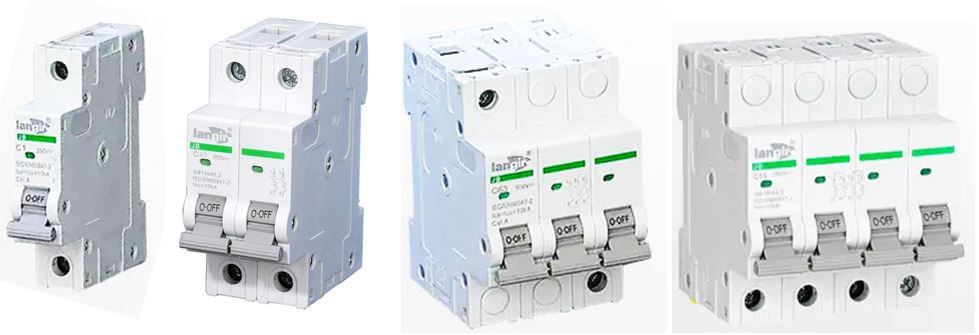
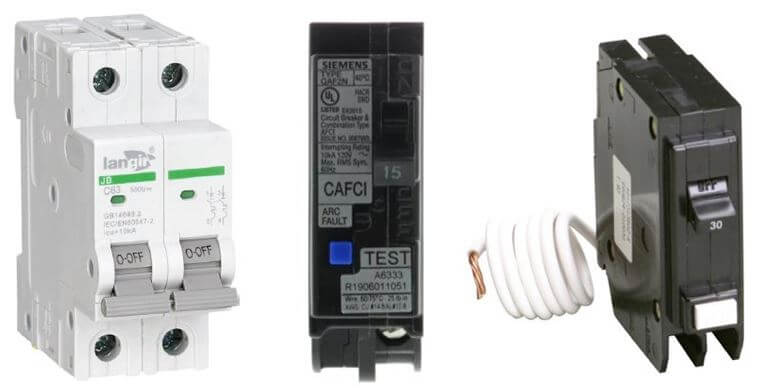
- Miniature Circuit Breakers (MCBs): Suited to low-current circuits, commonly used in small residential solar or auxiliary DC circuits.
- Molded Case Circuit Breakers (MCCBs): Built for higher currents and industrial installations where robust protection is required.
- JB Series DC Circuit Breakers: Optimized for multi-string photovoltaic arrays, offering reliable overload and short-circuit protection.
Each type presents specific wiring and mounting requirements to meet its intended use.
How Do Wiring Techniques Differ Among Various DC Circuit Breaker Types?
Key wiring differences depend on the breaker family:
- Wiring Differences: Terminal styles, busbar connections, and mounting clearances vary — follow the manufacturer’s wiring diagrams precisely.
- Compatibility Issues: Verify the breaker’s voltage and current ratings, physical fit, and coordination with upstream/downstream protective devices.
Matching wiring technique to breaker type ensures consistent protection and easier maintenance.
How to Select and Size a DC Circuit Breaker for Your Wiring Needs?
Choosing the right breaker starts with a clear view of your system’s voltages, currents, and fault conditions.
What Voltage and Current Ratings Should Be Considered for Wiring?
When selecting a breaker, account for these ratings:
- Voltage Ratings: Confirm the breaker’s maximum DC voltage rating meets or exceeds your system’s open-circuit and operating voltages.
- Current Ratings: Pick a breaker with a continuous current rating at or above the expected load to avoid nuisance trips while maintaining protection.
- Load Types: Consider inrush currents and the nature of connected loads — motor or converter loads may require different protection settings.
Correct rating selection is essential for both safety and reliability.
How to Calculate Breaking Capacity and Trip Curves for Proper Wiring?
Two technical checks help confirm suitability:
- Breaking Capacity: Ensure the breaker’s interrupting capacity exceeds the maximum possible fault current at the installation point.
- Trip Curves: Review the breaker’s time-current characteristics to confirm its response matches your system’s coordination and selectivity needs.
These evaluations ensure the breaker will clear faults without failure or unwanted downstream interruption.
What Are the Best Practices and Safety Standards for DC Circuit Breaker Wiring?
Follow established standards and safe work practices to protect people and equipment during installation and operation.
Get a quote for custom DC circuit breakers from Langir
Which International Standards Govern DC Circuit Breaker Wiring?
- IEC 60947-2: Covers low-voltage switchgear and control gear, including circuit breaker requirements.
- EN 60947-2: The European implementation for low-voltage circuit breaker standards.
- GB 14048.2: Chinese standard for low-voltage switchgear and control gear.
Compliance with these standards helps ensure safe, certified installations.
What Safety Guidelines Should Be Followed During Installation?
- Personal Protective Equipment: Always use proper PPE — insulated gloves, eye protection, and other gear suitable for the voltage and environment.
- Installation Checks: Verify wiring, torque settings, and correct polarity before energizing. Confirm protective coordination and that labeling is in place.
- Compliance with Standards: Install per local codes and manufacturer instructions to meet regulatory and safety requirements.
Following these practices reduces risk and improves long-term performance.
If you need help sizing, wiring, or selecting a DC circuit breaker for your project, our technical team is ready to assist. You can contact us for expert support and detailed guidance.
How to Wire a DC Circuit Breaker | FAQs
What are the signs that a DC circuit breaker needs to be replaced?
Look for frequent unexplained tripping, visible burn marks, melted or cracked insulation, or a breaker that won’t reset. If a breaker cannot interrupt faults reliably or is out of date with current standards, replace it to maintain safety and performance.
Can I use an AC circuit breaker for DC applications?
No. AC breakers rely on the alternating current’s zero-crossing to extinguish arcs and are not rated for DC interruption. Use a breaker specifically rated for DC service to ensure proper arc control and safe interruption.
How often should I inspect my DC circuit breakers?
Inspect breakers at least annually, or more often in demanding environments. Inspections should include visual checks for damage, verifying torque on terminals, testing operation, and noting any unusual behavior. Keep a maintenance record to track condition and trends.
What tools do I need for wiring a DC circuit breaker?
Common tools include a wire stripper, appropriate screwdrivers, a calibrated torque wrench, crimping tools, and a multimeter. Wear PPE such as gloves and eye protection. Using the right tools ensures secure terminations and correct installation.
What should I do if my DC circuit breaker keeps tripping?
Start by identifying overloaded circuits or shorted loads. Remove non-essential loads and test. Inspect wiring for loose or damaged connections. If trips continue, the breaker may be undersized or faulty — consult a qualified electrician to diagnose and resolve the issue safely.
Are there specific maintenance practices for DC circuit breakers?
Yes. Regular maintenance includes visual inspections, cleaning dust from enclosures, checking terminal tightness, testing trip function, and logging any events. Schedule periodic professional inspections to verify performance and compliance.
Conclusion
Correctly wiring a DC circuit breaker is essential for the safety and reliability of solar and industrial DC systems. Keep polarity, conductor sizing, breaker ratings, and applicable standards front of mind during installation. If you need project-specific advice or technical support, please contact us — our team can help you choose and install the right protection for your system.
 EN
EN  FR
FR  PL
PL  PT
PT  ES
ES  JA
JA  RU
RU  AR
AR  IT
IT  NL
NL  TR
TR  KO
KO  DE
DE